Exploring the Healing Power of Ibogaine Traditions
Engaging Introduction
Have you ever wondered if there’s a natural way to heal both body and mind? For many, the journey of healing and self-discovery leads to exploring ancient traditions and practices. One of these practices gaining attention is Ibogaine, a naturally occurring substance derived from the root of the African iboga plant. This article will take you on a journey to understand the healing power of Ibogaine traditions, making the complex clear and accessible.
Understanding Ibogaine not only clarifies its traditional use but also connects you with a wider discourse on healing and well-being. This topic is relevant as people look beyond conventional medicine for health solutions and self-improvement.
Why This Matters
Exploring the healing power of Ibogaine traditions is important because it highlights alternative methods of healing that have been used for centuries. Many individuals today seek alternatives to mainstream treatments, especially for issues like addiction, depression, and trauma. Here are a few reasons why this topic is significant:
- Cultural Healing Practices: Ibogaine is deeply integrated into certain African cultures, particularly among the Bwiti people of Gabon, where it’s used in spiritual ceremonies for guidance and healing.
- Alternative Treatment Options: Many are searching for effective treatments for addiction and mental health issues. Ibogaine has shown potential in treating opioid addiction and has been a beacon of hope for some.
- Personal Growth: For some, the journey with Ibogaine can lead to profound personal insights and life transformations.
Understanding these aspects allows us to approach the topic with respect and an open mind.
Detailed Explanation of Ibogaine Traditions
What is Ibogaine?
Ibogaine is a chemical compound found in the Tabernanthe iboga plant, primarily located in West Africa. It has been used in ceremonies for centuries, largely among the Bwiti tribes, for spiritual and physical healing.
How Does Ibogaine Work?
Ibogaine is believed to interact with the brain’s receptors, particularly those related to mood and addiction.
- Potential Effects:
- Alters perception of reality
- Offers visions that can lead to important personal insights
- May reduce withdrawal symptoms for those dealing with substance dependency
Traditional Use of Ibogaine
Spiritual Ceremonies
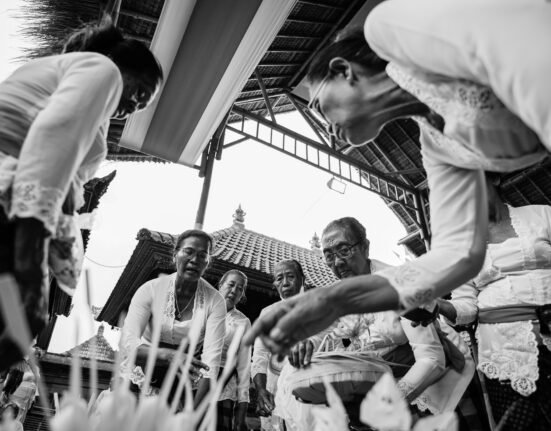
- Bwiti Practices: In Bwiti culture, ibogaine is incorporated into rites of passage and is considered a sacred tool for connecting with ancestors and the spiritual world.
- Treatment Ceremonies: Many participants undergo a guided experience with ibogaine, which allows them to confront personal challenges and traumas.
Modern Context of Ibogaine
- Treatment for Addiction: In some countries, ibogaine is being studied and used as a treatment option for overcoming substance addictions.
- Psychotherapy: Some practitioners integrate ibogaine into therapeutic settings, helping individuals process emotional pain and trauma.
Expert-Based Information
The potential benefits of ibogaine have been discussed in various studies and journals:
- Research published in the American Journal of Drug and Alcohol Abuse suggests that ibogaine may reduce cravings and withdrawal symptoms in individuals with opioid addiction.
- Experts recommend that ibogaine be taken under medical supervision due to potential side effects, such as heart issues and psychological distress.
While these insights are promising, they should be approached with caution. Always seek professional guidance and consider individual health conditions and circumstances.
Common Questions, Mistakes, or Myths
Frequently Asked Questions
1. Is ibogaine safe?
- Ibogaine can have serious side effects, including heart problems. It should always be taken under the supervision of qualified professionals in a controlled setting.
2. Does ibogaine cure addiction?
- While some people report significantly reduced cravings after treatment, it is not a guaranteed “cure” and should be part of a broader recovery plan.
Common Misunderstandings
“Ibogaine is a magic pill.”
- Healing with ibogaine involves deep personal work. It is not a quick fix but rather part of a journey of self-discovery and healing.
“Ibogaine is illegal everywhere.”
- While ibogaine is banned in some countries, it is legal and used in others. Always check local laws if you are considering it.
Practical Tips & Actionable Advice
If you or someone you know is considering exploring ibogaine for healing, here are some practical guidelines:
Checklist Before Trying Ibogaine
- Research: Understand the historical and cultural significance of ibogaine.
- Seek Professional Help: Make sure to consult with healthcare providers familiar with ibogaine.
- Choose a Safe Environment: If you proceed, ensure that it’s in a medically supervised setting.
- Have a Support System: Confide in trusted friends or family who can provide emotional support.
Best Practices
- Open Mind: Approach the experience without high expectations or pressure.
- Post-Experience Care: Give yourself time to process the journey afterward, ideally with a therapist familiar with ibogaine experiences.
Dos and Don’ts
- Do: Educate yourself thoroughly about ibogaine and its effects.
- Don’t: Underestimate the powerful psychological effects ibogaine can have.
Strong Conclusion
In summary, exploring the healing power of ibogaine traditions allows us to gain insights into alternative healing practices that have stood the test of time. While promising, ibogaine use requires careful consideration and professional guidance.
If you’re curious to learn more or consider ibogaine, take the next step by seeking trustworthy resources or professionals experienced in this area. Remember, healing is a personal journey that can be filled with growth, understanding, and transformation. Embrace the exploration, and take care of yourself along the way!