
Understanding Peyote Laws: What You Need to Know
Engaging Introduction
Have you ever wondered about peyote? It’s not just a type of cactus; it has a rich history and spiritual significance for many, especially within Indigenous cultures. But what about the laws surrounding this unique plant? Understanding Peyote Laws: What You Need to Know helps you navigate the complex legal landscape concerning peyote use. This is important because, as more people become interested in alternative medicines and cultural exploration, it’s crucial to understand the restrictions and regulations in place.
In this article, we’ll break down everything you need to know about peyote laws in a straightforward and friendly way. Whether you’re curious about its uses, legal status, or what to do if you want to learn more, we’ve got you covered!
Why This Matters
Understanding peyote laws is important for several reasons:
- Cultural Significance: For many Indigenous people, peyote is sacred. Knowing the laws helps respect their traditions.
- Legal Awareness: Knowing what is legal and what isn’t can help you avoid unintentional legal trouble.
- Health and Safety: Understanding how and when peyote can be used helps ensure that individuals are safe if they choose to engage with it.
By being educated on these laws, you’re not just protecting yourself—you’re also showing respect to those who hold peyote dear to their cultural practices.
Detailed Explanation of Peyote Laws
What is Peyote?
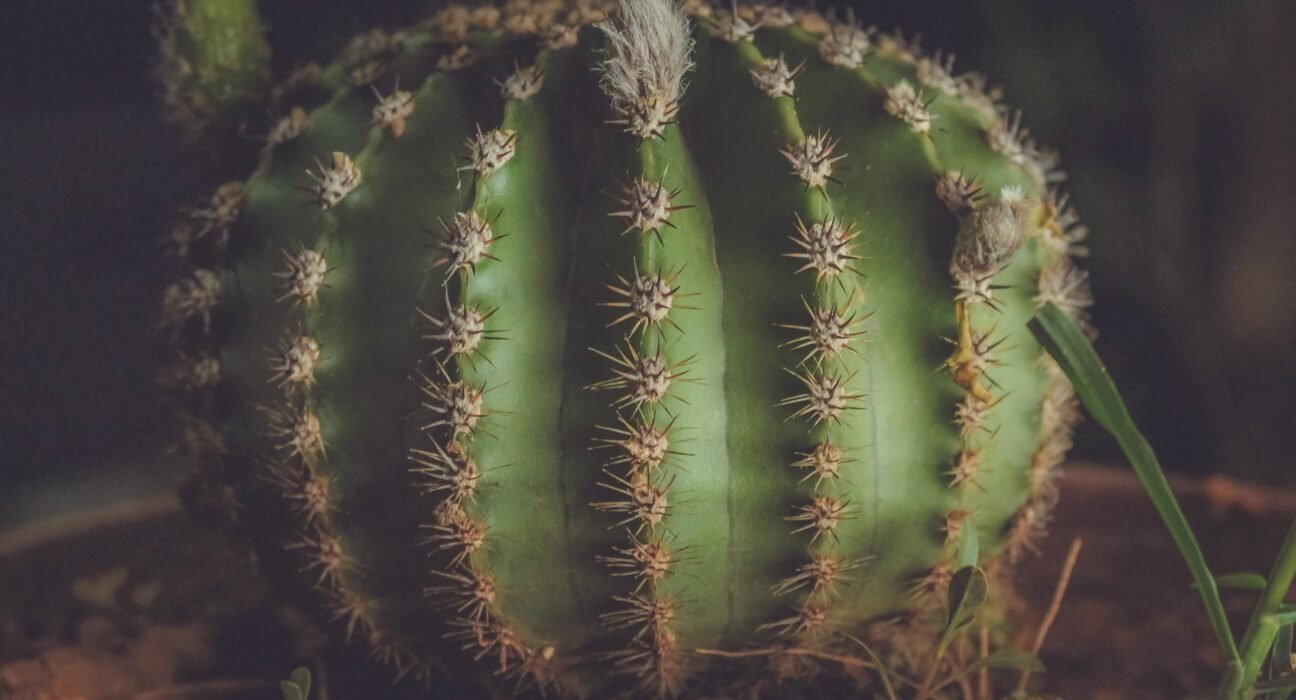
Peyote is a small, spineless cactus native to the southwestern United States and Mexico. Its psychoactive properties come from a chemical called mescaline, which can cause hallucinations and alter perception. While peyote has been used for centuries in religious ceremonies, the legal landscape surrounding it can be complicated.
Legal Status in the United States
Federal Laws
- Controlled Substances Act: Peyote is classified as a Schedule I substance under federal law. This means it’s illegal to possess, sell, or use peyote in most circumstances.
- Religious Use Exemption: However, the American Indian Religious Freedom Act allows certain recognized tribes to use peyote for religious ceremonies. This exception is limited to members of these tribes.
State Laws
- Varies by State: Laws on peyote can differ significantly from one state to another. Some states mirror federal law, while others may have their own rules.
Key Points of Law
- Possession: Generally illegal for most people, but allowed for recognized Indigenous tribes under specific conditions.
- Use in Rituals: Legal for registered tribal members in spiritual contexts.
- Distribution: Selling peyote is illegal, unless in a recognized religious context by specific tribes.
Expert-Based or Trust-Focused Information
Understanding peyote laws requires reliable sources. The following organizations and legal frameworks provide trustworthy information:
- American Indian Religious Freedom Act (AIRFA): This federal law protects the traditional practices of Native American tribes, creating exemptions for the use of peyote.
- U.S. Drug Enforcement Administration (DEA): The DEA provides information about drugs and their legal statuses, including peyote.
- Native American Church: This organization is integral in advocating for and managing the legal use of peyote in religious ceremonies.
Following guidelines from these respected organizations can help ensure you stay informed and compliant with the law.
Common Questions, Mistakes, or Myths
Frequently Asked Questions
Can anyone use peyote?
No, peyote use is primarily restricted to recognized tribes for religious ceremonies, although federal laws pose further restrictions.Is peyote legal in all states?
No, the legality of peyote varies by state, and some states have stricter laws than others.What if I am not part of a tribe?
If you’re not a member of a recognized tribe, the general rule is that possession and use of peyote are illegal.
Common Misunderstandings
Misconception: All cacti containing mescaline are legal.
- Clarification: Only peyote has certain legal protections under specific conditions, so do your research before assuming legality.
Misconception: Peyote is safe for everyone.
- Clarification: Peyote can have serious mental and physical effects on some individuals and should not be used lightly.
Practical Tips & Actionable Advice
If you’re considering exploring peyote or have questions about its laws, here is a simple checklist to follow:
Do’s:
- Do your research on the laws specific to your state regarding peyote.
- Do reach out to Indigenous communities to better understand their perspectives and practices.
- Do consult legal experts if you have questions about the law.
Don’ts:
- Don’t attempt to possess or use peyote without understanding the legal risks involved.
- Don’t sharepeyote or facilitate its use without ensuring legality for all parties involved.
Conclusion
Understanding Peyote Laws is not just about knowing what is legal or illegal; it’s about appreciating the cultural significance and the responsibilities that come with it. Remember that the laws are in place to protect both individuals and cultural practices. If you’re curious or unsure, it’s always best to seek professional guidance or consult legal experts.
We hope this guide has equipped you with the knowledge you need to navigate peyote laws confidently. If you’re interested, consider exploring further resources and connecting with Indigenous communities to deepen your understanding. Stay informed, and as always, approach these topics with respect and care!