What are Mushrooms? A Beginner’s Guide
Engaging Introduction
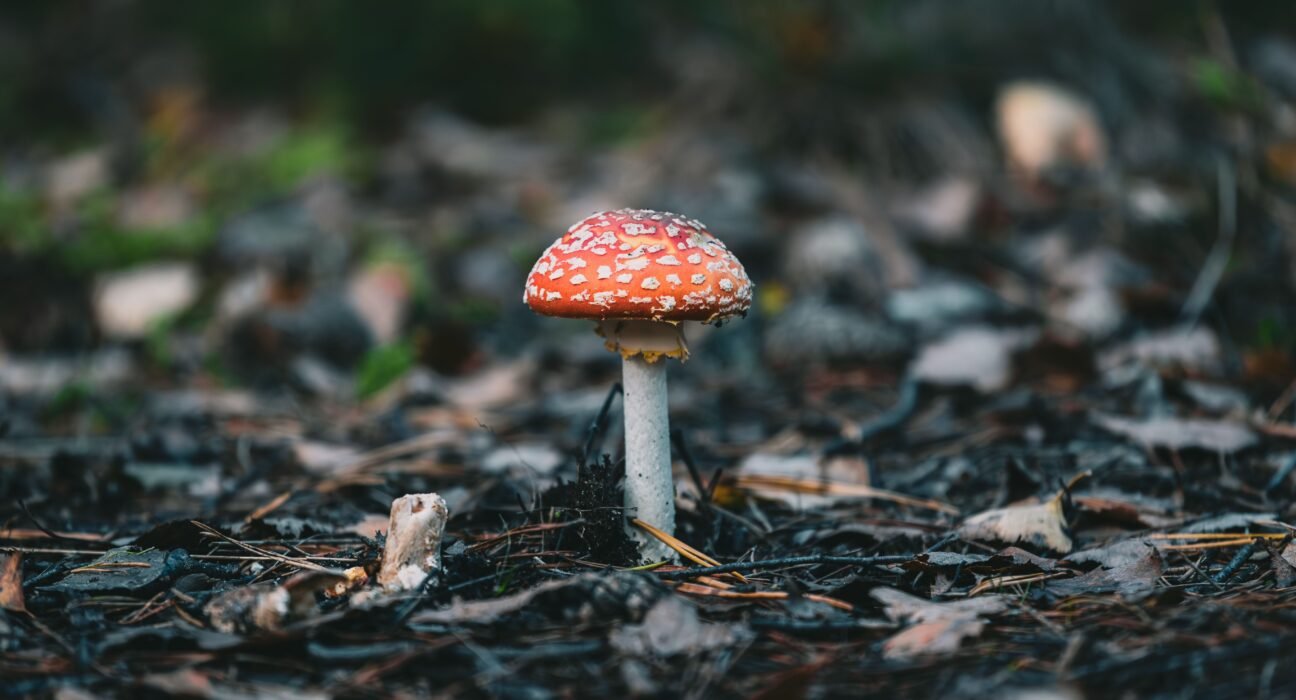
Have you ever walked through a forest or a garden and noticed strange, umbrella-shaped growths sprouting from the ground? Those mysterious little organisms are mushrooms! Mushrooms are fascinating, sometimes delicious, and something we encounter in our daily lives, whether in our favorite meals or our natural surroundings. But what exactly are mushrooms, and why should we care? Let’s dive into the world of mushrooms to understand their importance and how they fit into our lives.
Why This Matters
Understanding what mushrooms are is important for several reasons:
- Culinary Uses: Many mushrooms are edible and add unique flavors to dishes. Learning about them can open up new cooking possibilities.
- Nutritional Benefits: Mushrooms are low in calories and packed with nutrients. They can be a healthy addition to your diet.
- Environmental Role: Mushrooms play a crucial role in nature as decomposers, breaking down organic matter and enriching the soil.
- Cultural Significance: In many cultures, mushrooms have been used in traditional medicine and spiritual practices for centuries.
Whether you’re interested in cooking, health, or nature, understanding mushrooms can enhance your appreciation for this intriguing organism.
Detailed Explanation
What are Mushrooms?
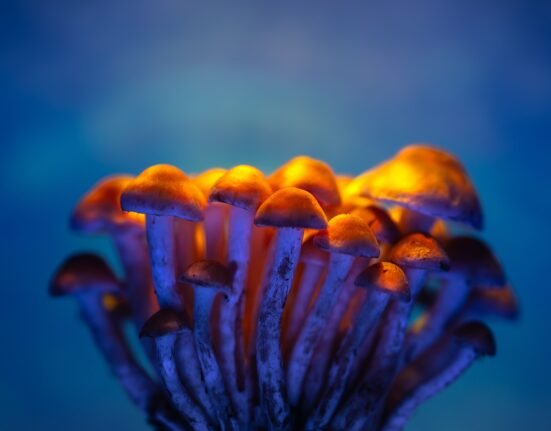
Mushrooms are the fruiting bodies of certain fungi. To break that down simply:
- Fungi: The scientific group that mushrooms belong to. Fungi are different from plants and animals and can come in many forms.
- Fruiting Body: This is the part of the fungus that we see and are often familiar with, like the cap, stalk, and sometimes gills or pores underneath.
Mushrooms reproduce by releasing spores, which can spread and grow into new fungi, similar to how plants use seeds.
Types of Mushrooms
Mushrooms come in various shapes, sizes, and colors. Here’s a simple breakdown of categories:
Edible Mushrooms
These mushrooms are safe to eat and are commonly used in cooking:
- Button Mushrooms: Small, white mushrooms; great for salads and soups.
- Shiitake Mushrooms: Dark, meaty mushrooms; good for stir-fries.
- Portobello Mushrooms: Large and flat; often used as a meat substitute in burgers.
Medicinal Mushrooms
Some mushrooms have health benefits:
- Reishi: Known for its immune-boosting properties.
- Chaga: Often used for its antioxidant benefits.
Poisonous Mushrooms
It’s essential to recognize that not all mushrooms are safe to eat. Some can be toxic or even deadly. Always consult a reliable guide or expert before consuming wild mushrooms.
The Life Cycle of Mushrooms
Mushrooms go through a fascinating life cycle that includes several stages:
- Spore Germination: Spores land in a suitable environment and begin to grow.
- Mycelium Formation: A network of tiny filaments (mycelium) starts to develop underground.
- Fruiting Body Formation: When conditions are right (like temperature and moisture), the mushroom emerges.
- Spore Release: The mature mushroom releases spores to start the cycle again.
Common Questions, Mistakes, or Myths
1. Are all mushrooms safe to eat?
No, not all mushrooms are safe. Some can be harmful or even deadly. Always ensure you can positively identify a mushroom before consuming it.
2. Can I grow mushrooms at home?
Yes! Many mushrooms can be cultivated at home with the right spores, materials, and conditions. Kits are available for beginners.
3. Are mushrooms vegetables?
Mushrooms are not classified as vegetables. They belong to the kingdom of fungi, which is different from plants and animals.
4. Are wild mushrooms healthier than store-bought ones?
Not necessarily. While wild mushrooms can be nutritious, there is a risk of toxicity if they are misidentified. Store-bought mushrooms are regulated for safety.
Practical Tips & Actionable Advice
If you’re inspired to learn more about mushrooms or even incorporate them into your life, here are some practical tips:
Checklist for Identifying Edible Mushrooms
- Color & Shape: Note the color and shape of the cap, stem, and gills.
- Smell: Some edible mushrooms have a distinct smell—though this alone shouldn’t be a deciding factor.
- Location: Know the typical environments where certain mushrooms grow (e.g., shade, moisture).
- Consult Guides & Experts: Always use reliable field guides and, if possible, consult an expert before consumption.
Do’s and Don’ts
Do:
- Experiment with cooking different types of edible mushrooms.
- Educate yourself through books or online resources about mushroom safety.
- Consider growing mushrooms with a beginner kit.
Don’t:
- Consume wild mushrooms unless you are 100% sure they are safe.
- Forage for mushrooms without proper knowledge or guidance.
Strong Conclusion
Mushrooms are more than just interesting shapes popping up in forests; they are a vital part of our ecosystem, a delicious addition to our diets, and a topic ripe for exploration. By understanding what mushrooms are, their types, and their importance, you can appreciate the role they play in nature and in your meals.
Whether you’re curious about foraging, cooking, or simply learning about fungi, there’s always more to discover in the enchanting world of mushrooms. Feel free to explore further, try cooking with mushrooms, or even consider growing your own. Let this be the beginning of an exciting journey into the science and culinary possibilities of mushrooms!
Remember to approach wild mushrooms with caution and consult with experts for safe practices. Happy mushroom exploring!