Understanding Psychedelic Therapy Explained
Introduction
Have you ever heard about how certain substances can change the way people think and feel? It might sound surprising, but some of these substances, called psychedelics, are being used in a new type of therapy. This practice is known as psychedelic therapy, and it’s gaining attention for its potential to help treat various mental health issues.
In simple terms, psychedelic therapy involves using specific psychedelic substances, under careful supervision, to help people confront and heal from mental health conditions such as depression, anxiety, and PTSD. Understanding this topic can be very useful, especially if you or someone you know has been struggling with mental health challenges and is looking for alternative treatment options.
Why This Matters
Psychedelic therapy is important because many people are lacing their experiences with traditional treatments that might not work for them. Here are a few reasons why you might want to learn about it:
- Growing Interest: More researchers and therapists are exploring the benefits of psychedelics, and some studies show they can lead to significant improvements in mental health.
- New Solutions: As worldwide mental health issues rise, new treatments, like psychedelic therapy, might provide hope to those who haven’t found relief from conventional methods.
- Personal Empowerment: Understanding psychedelic therapy allows individuals to make informed decisions about their health and wellness.
Detailed Explanation of Psychedelic Therapy
What Are Psychedelics?
Psychedelics are substances that can alter a person’s thoughts, feelings, and perceptions. Some common psychedelics include:
- LSD (Lysergic acid diethylamide): A powerful synthetic substance.
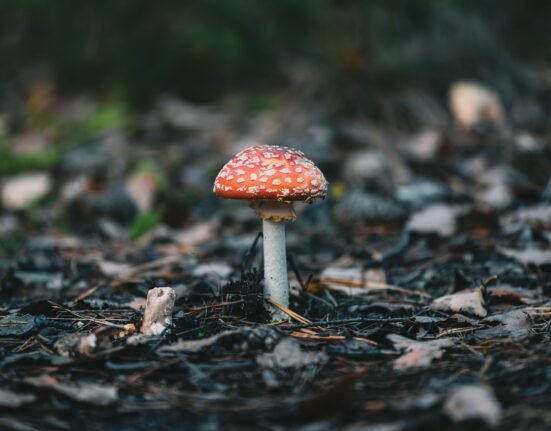
- Psilocybin: Found in certain mushrooms, often called “magic mushrooms.”
- MDMA (Methylenedioxymethamphetamine): Known as ecstasy, used in some therapeutic settings.
How Does Psychedelic Therapy Work?
Psychedelic therapy is often done with a trained therapist who helps guide you through the experience. Here’s a basic overview of how it typically works:
- Preparation: The therapist explains the process and prepares you for what to expect.
- Dosing: You are given a controlled dose of a psychedelic substance. This can happen in a safe, comfortable environment.
- Experience: While under the influence of the psychedelic, you may have deep reflections, emotions, or visions that can lead to insights about your life and struggles.
- Integration: After the session, the therapist helps you process your experience and how it might affect your everyday life.
Benefits of Psychedelic Therapy
Research shows potential benefits of psychedelic therapy, including:
- Reduced symptoms of depression and anxiety.
- Improved emotional resilience and well-being.
- Enhanced ability to cope with trauma.
- Greater self-awareness and insight into personal issues.
Expert-Based Information
Various respected institutions, including Johns Hopkins University and the Multidisciplinary Association for Psychedelic Studies (MAPS), are conducting studies to further understand the effects and benefits of psychedelic therapy. These organizations focus on improving mental health care and providing safe practices for using psychedelics in therapeutic settings.
Important Note: It’s crucial to understand that psychedelic therapy should not be attempted without professional guidance. Self-medicating with psychedelics is risky and can lead to harmful consequences.
Common Questions, Mistakes, or Myths
Frequently Asked Questions
Is psychedelic therapy legal?
- The legality varies by location; some places have made certain psychedelics legal for therapeutic use, while others have not.
Are psychedelics safe?
- When used in controlled settings with professional supervision, they can be safe for many people. However, they may pose risks, and it’s essential to have a thorough evaluation before engaging in therapy.
Will I go “crazy”?
- While some may fear these substances could cause mental illness, studies indicate that with proper support and professional guidance, the risks can be managed.
Common Misunderstandings
- Psychedelics are just for fun: Many people see psychedelics only as party drugs, but their role in therapy highlights their potential healing properties.
- One session fixes everything: While some individuals may experience significant breakthroughs, healing often requires multiple sessions and continued therapy.
Practical Tips and Actionable Advice
If you’re curious about psychedelic therapy, here are some steps to consider:
Checklist Before Considering Psychedelic Therapy
- Research: Understand the different types of psychedelics and their effects.
- Consult Professionals: Find a licensed therapist who specializes in psychedelic therapy.
- Assess Your Needs: Consider what you want to achieve through therapy.
- Create a Safe Environment: Ensure the therapy is conducted in a comfortable and safe setting.
Best Practices
- Be Open-Minded: Stay open to new experiences and insights that might come up during therapy.
- Have a Support System: Talk to supportive friends or family about your journey.
- Post-Therapy Reflection: Spend time reflecting on your experiences and how they can apply to your life.
Do’s and Don’ts
Do’s:
- Do prioritize your mental health.
- Do engage in regular therapy to integrate your experiences.
Don’ts:
- Don’t rush the process; healing takes time.
- Don’t use psychedelics outside of a therapeutic context.
Conclusion
Understanding psychedelic therapy can open doors to new possibilities in mental health treatment. With growing research and a focus on safe practices, this innovative approach might offer hope to those looking for alternatives.
If you’re interested in exploring this further, consider reaching out to a qualified therapist or a medical professional who can guide you on your journey. Remember, your mental well-being is vital, and being informed about all options is a great step toward healing.