

Exploring Innovations in Mental Health Treatment at the Ketamine Conference
June 27, 2026 | by VineAndLeafLink.com
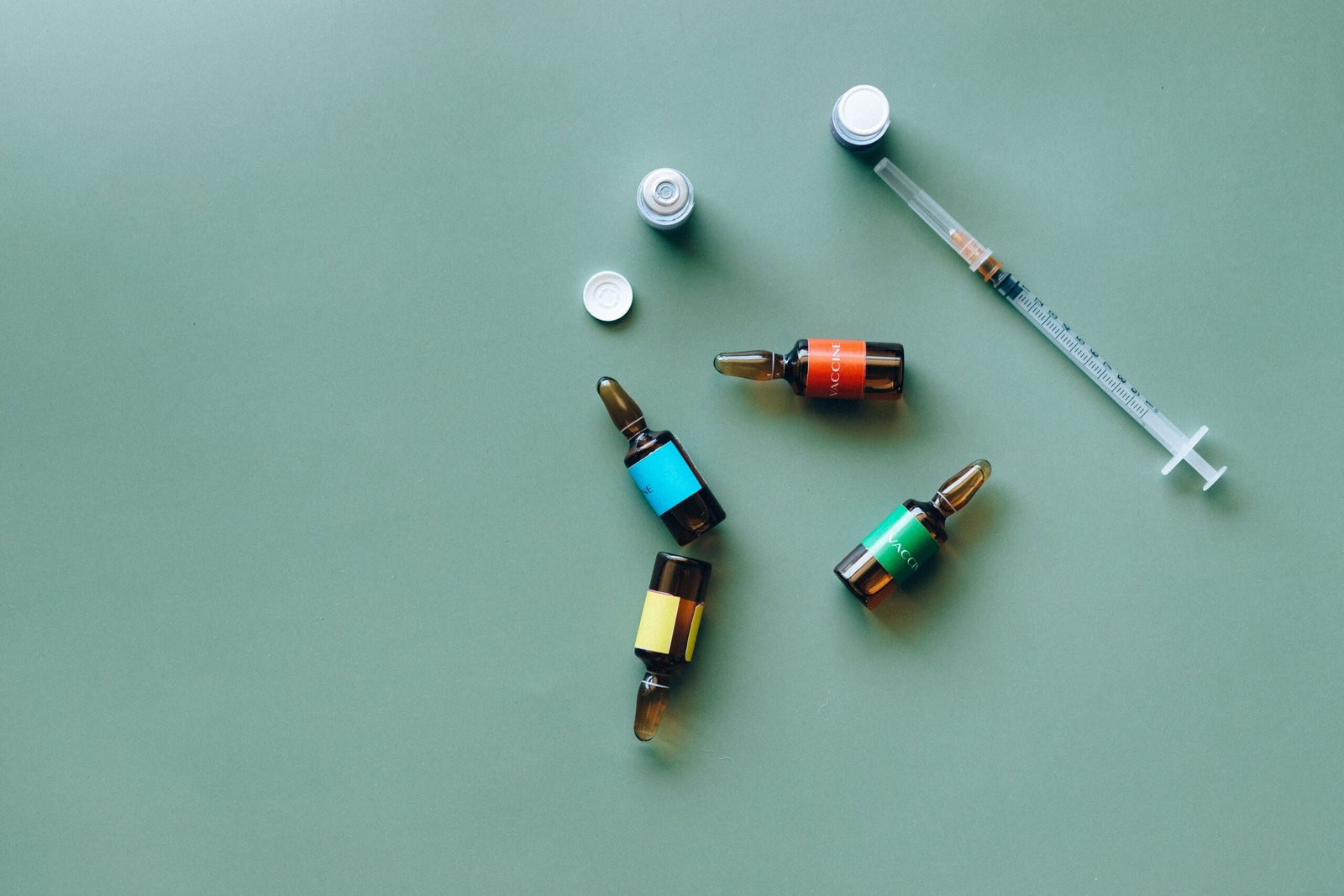
Exploring Innovations in Mental Health Treatment at the Ketamine Conference
Introduction
Have you ever wondered about new treatments for mental health issues? One exciting area of exploration is the use of ketamine, a medication traditionally used for anesthesia, which is now being studied for its potential to treat mental health conditions like depression and anxiety. The Ketamine Conference brings together experts and researchers to share the latest discoveries and innovations in this field. This article will help you understand what happens at this conference and why it’s important for anyone interested in mental health.
Understanding these innovations is not just for professionals; it’s relevant for everyone. Whether you or someone you know struggles with mental health, knowing about new treatments can open up possibilities and provide hope.
Why This Matters
The Importance of Mental Health Treatment
Mental health is crucial for our overall well-being. Many people face challenges like sadness, anxiety, or other mental health disorders that affect daily life. Traditional treatments, such as therapy and medication, don’t work for everyone. This is where innovations from conferences like the Ketamine Conference come in. They explore new options that might work when conventional treatments fall short.
Practical Benefits for You
- Awareness: By learning about new treatments, you can understand better the options available for yourself or loved ones.
- Hope and Solutions: Conferences provide insights into promising results that could lead to effective treatments.
- Access to Experts: These events gather professionals who can share experiences and knowledge that may help guide patients and caregivers.
Innovations in Mental Health Treatment
What is Ketamine?
Ketamine is an anesthetic that has garnered attention in mental health for its unique effects on mood. Here’s how it works in simple terms:
- Rapid Relief: Unlike traditional antidepressants that take weeks to show effects, ketamine may help relieve symptoms in hours or days.
- Different Mechanism: Ketamine works on different brain pathways compared to standard antidepressants.
Key Innovations Discussed at the Conference
Intravenous (IV) Ketamine:
- Administered through an IV, providing fast relief.
- Commonly offered in clinics for those with treatment-resistant depression.
Nasal Sprays:
- A simpler way to take ketamine.
- The nasal spray formulation, known as Spravato, is FDA-approved for depression.
Ketamine-Assisted Therapy:
- Combining mental health therapy with ketamine treatment.
- Helps patients address emotional issues in a supportive environment.
Research on Dosing:
- Finding the right dosage is key to effectiveness.
- Continued studies on how often treatment should occur.
Long-term Effects:
- Investigating how long the benefits of ketamine last.
- Exploring the safety of repeated treatments.
The Process
Each year, the Ketamine Conference allows experts to:
- Present Their Findings: Researchers share new data and case studies.
- Discuss Future Directions: Experts talk about what needs to be researched next.
- Network: Professionals connect to share ideas and collaborate on projects.
Expert-Based Information
Organizations like the American Psychiatric Association and leading universities often sponsor and participate in the Ketamine Conference, ensuring that the information shared is credible and up to date. The findings presented at the conference help shape the future of mental health treatment, emphasizing the need for evidence-based practices.
Common Questions and Myths
Frequently Asked Questions
Is ketamine safe for everyone?
- Not everyone is a good candidate. A doctor assesses individual health histories before treatment.
Does ketamine work for every type of mental health issue?
- Mostly for depression and anxiety. It may not be effective for other conditions.
Is ketamine a permanent solution?
- It often provides temporary relief. Continuous treatment may be needed.
Common Myths
Myth: Ketamine is a “last resort.”
- Reality: It can be an option earlier in treatment, especially for those who don’t respond to traditional medications.
Myth: Ketamine will change your personality.
- Reality: Patients often report feeling more like themselves again, with reduced symptoms.
Practical Tips and Actionable Advice
How to Approach Mental Health Treatment
Do Your Research:
- Understand what ketamine therapy involves.
- Look for credible sources and expert opinions.
Talk to Professionals:
- Consult a healthcare provider to discuss potential benefits or risks.
Stay Informed:
- Follow updates from the Ketamine Conference or similar events.
Consider Support Systems:
- Engage family or friends in your treatment journey. They can provide support.
Checklist for Exploring Treatments
- [ ] Research how ketamine works.
- [ ] Check if local clinics offer ketamine treatment.
- [ ] Discuss with your doctor about the appropriateness of this treatment for you.
- [ ] Seek support from family or mental health groups.
Best Practices
- Stay Open-Minded: Treat new options cautiously but with an open heart.
- Be Patient: Finding the right treatment can take time.
Conclusion
Innovations discussed at the Ketamine Conference highlight promising advancements in the treatment of mental health issues. Understanding these developments can provide you or someone you care about with options and hope. It’s essential to approach any mental health treatment with informed knowledge and professional guidance. Explore these new solutions and remember, managing mental health is a journey that benefits from exploration and support.
If you’re interested in learning more, consider researching upcoming conferences or consulting with a mental health professional. Remember, you’re not alone, and there are resources available to help you or your loved ones manage mental health challenges.
RELATED POSTS
View all



Magic Mushroom Events: Exploring the Vibrant Community and Experiences
June 28, 2026 | by VineAndLeafLink.com