Exploring the Fascinating World of Magic Mushroom Culture
June 28, 2026 | by VineAndLeafLink.com
Exploring the Fascinating World of Magic Mushroom Culture
Introduction
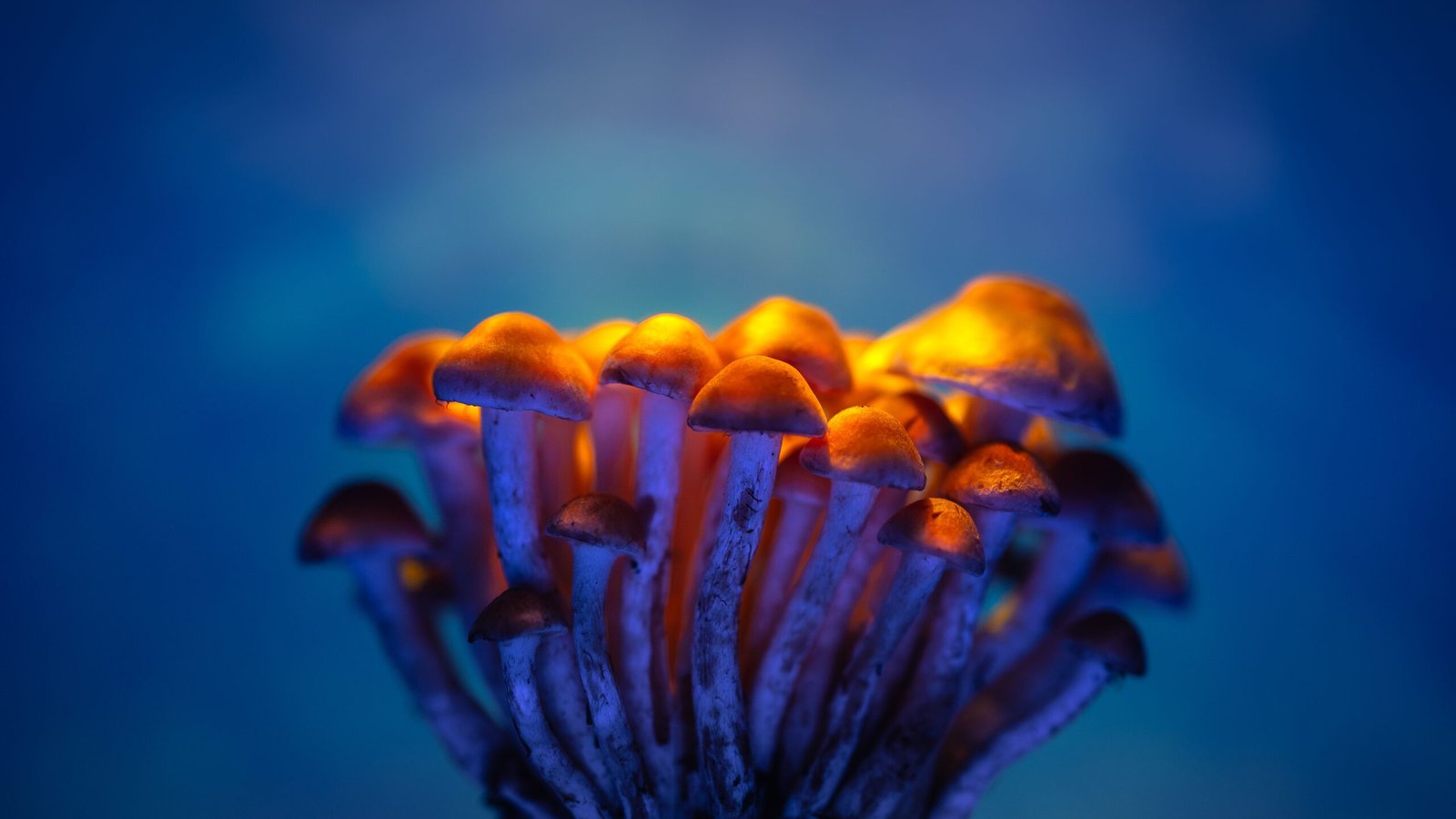
Have you ever found yourself curious about mushrooms that seem to hold secrets? Magic mushrooms, known for their unique properties, have intrigued people for centuries. These fascinating fungi are more than just a culinary ingredient or a common garden mushroom; they belong to a culture that explores both nature and consciousness.
Exploring the world of magic mushroom culture means diving into the science, history, and experiences associated with these special mushrooms. Understanding this topic can offer valuable insights into, not just their biological importance, but also their role in different cultures and potential therapeutic uses.
Whether you’re simply curious, want to learn more for personal knowledge, or are interested in the growing discussion around their use, this article will guide you through the enchanting landscape of magic mushrooms and their cultural significance.
Why This Matters
Magic mushrooms have important implications that go beyond what meets the eye. Here’s why understanding this subject is relevant to you:
- Health and Wellness: Recent studies suggest that components in magic mushrooms, especially psilocybin, may help alleviate anxiety, depression, and PTSD. This holds promise for new treatment paths.
- Cultural Significance: For millennia, various cultures have used magic mushrooms in rituals, spiritual quests, and healing practices. Understanding these traditions can enrich your appreciation of different worldviews.
- Sustainable Practices: Learning about mushroom cultivation can inspire sustainable living practices and promote environmental awareness.
Magic mushrooms are thus not just mystical but also carry potential benefits for mental health, cultural understanding, and environmental consciousness.
Detailed Explanation of Magic Mushroom Culture
What Are Magic Mushrooms?
Magic mushrooms refer to fungi that contain the naturally occurring compound psilocybin. When ingested, this compound can produce altered states of consciousness, which is why they are often associated with spiritual or therapeutic experiences.
Varieties of Magic Mushrooms
There are several types of magic mushrooms, each with unique properties. Some of the most well-known include:
- Psilocybe cubensis: The most common type, often found in tropical and subtropical environments.
- Psilocybe semilanceata: Known as the liberty cap, this mushroom is smaller and often found in grassy fields.
- Psilocybe cyanescens: Commonly known as “wavy caps,” these mushrooms are known for their potency.
Growing Magic Mushrooms
If you’re intrigued by mushroom cultivation, here’s a broad overview of the process:
Research and Planning:
- Understand the Legality: Research local laws regarding magic mushroom cultivation, as they vary by region.
- Gather Materials: Consider purchasing a mushroom growing kit, which can simplify the process for beginners.
Set Up a Sterile Environment:
- Clean surfaces thoroughly to avoid contamination.
- Use gloves and a mask while handling materials.
Inoculation: This is the process of introducing spores to a growth medium (such as brown rice flour or sawdust).
Incubation:
- Keep the inoculated substrate in a warm, dark place for several weeks.
- Monitor humidity and temperature.
Fruiting:
- Once mycelium grows and fills the substrate, expose it to light and fresh air to start producing mushrooms.
- Harvest them carefully when they are mature.
Special Uses and Experiences
People engage with magic mushrooms for various reasons:
- Spiritual Rituals: Many indigenous cultures use them for rituals to connect with their spiritual beliefs.
- Recreational Use: Some seek experiences of altered perception, but it’s essential to approach this with caution and respect.
- Therapeutic Applications: Clinical research is exploring the potential for psilocybin in treating certain mental health conditions.
Common Questions, Mistakes, and Myths
1. Are all mushrooms that look similar to magic mushrooms safe?
No, many mushrooms can be toxic. It’s crucial to never consume wild mushrooms unless you are certain of their identity.
2. Can magic mushrooms lead to addiction?
Research has indicated that psilocybin has a low potential for addiction compared to many substances. However, the experience is still profound and should be taken seriously.
3. Is it legal to possess or use magic mushrooms?
This greatly depends on where you live. Always check local laws before considering any actions.
Practical Tips and Actionable Advice
If you are intrigued by the world of magic mushrooms, here are a few practical tips:
Tips for Safe Exploration
- Educate Yourself: Read up on both the effects and legal implications to make informed decisions.
- Start Small: If you choose to try them, begin with a low dosage to understand your tolerance and reactions.
- Choose a Safe Setting: Always ensure you are in a comfortable, safe environment with trusted friends if exploring for the first time.
Checklist for Mushroom Cultivation
- [ ] Research local laws on cultivation
- [ ] Gather necessary supplies
- [ ] Ensure a sterile working environment
- [ ] Monitor humidity and temperature carefully
- [ ] Document the process to track your progress
Best Practices:
- Always prioritize safety.
- Respect the mushrooms and their context in culture and nature.
Do’s and Don’ts:
- Do consult professionals for guidance if doing it for therapeutic purposes.
- Don’t take them lightly; respect their power and potential effects.
Conclusion
Exploring the fascinating world of magic mushroom culture can be enriching and enlightening. From understanding their historical significance to peeling back the layers of their psychological potential, there’s a lot to learn. If you’re curious to dive deeper into this topic, consider seeking expert guidance or reputable literature.
The journey into the world of magic mushrooms can lead to new perspectives and a greater appreciation for nature’s wonders. Whatever your interest may be, remember to approach it with respect, curiosity, and a commitment to safety. Happy exploring!
RELATED POSTS
View all