

Latest Ketamine News: Breakthroughs in Mental Health Treatment
June 27, 2026 | by VineAndLeafLink.com
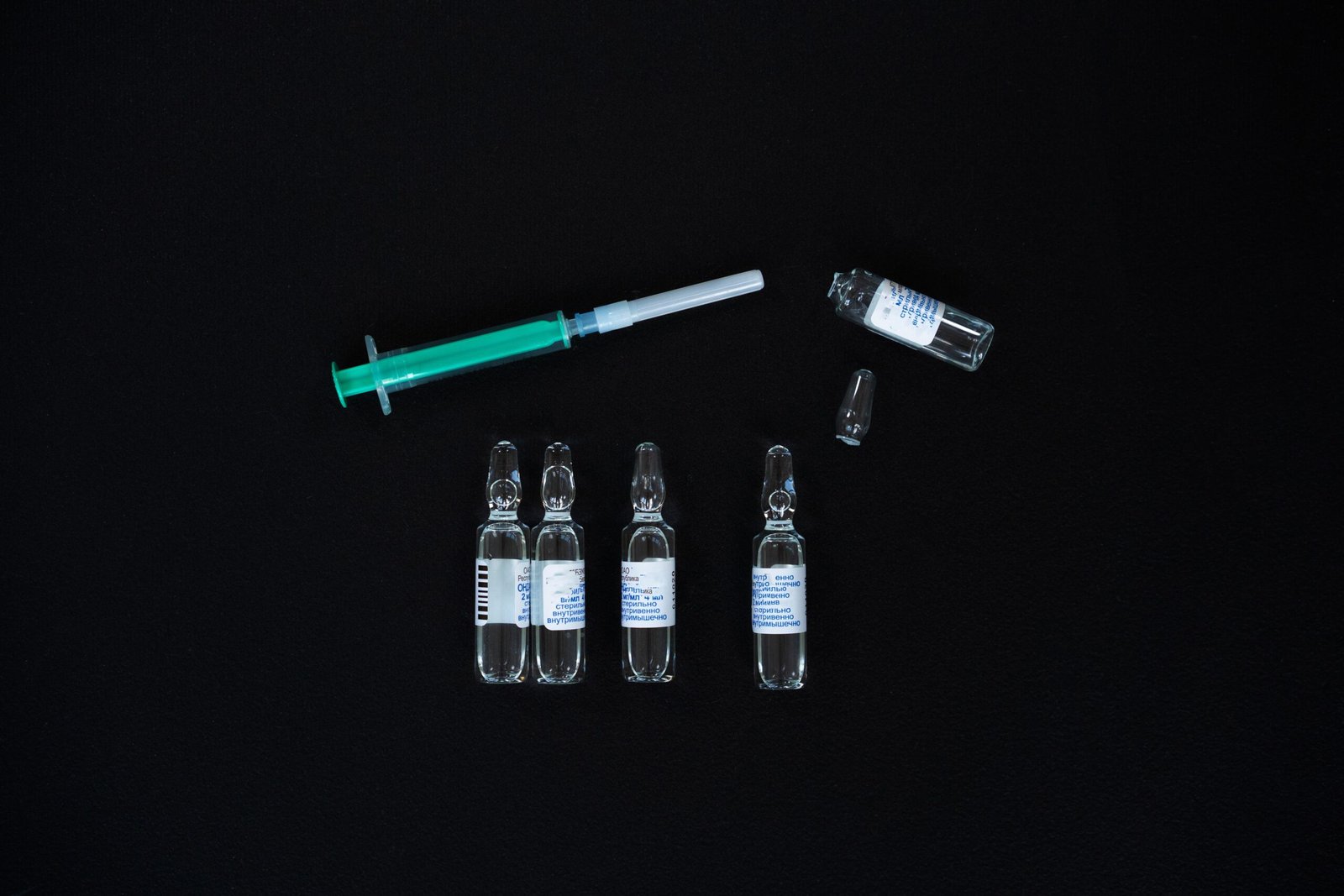
Latest Ketamine News: Breakthroughs in Mental Health Treatment
Engaging Introduction
Have you or someone you know ever felt stuck in a cycle of sadness or anxiety? If so, you’re not alone. Mental health issues affect millions of people each year. In recent news, a powerful treatment called ketamine has made headlines for its potential to help those struggling with severe depression, anxiety, and other mental health conditions. This article will guide you through the latest breakthroughs in ketamine treatment, explaining what it is, how it works, and why it might be important for you or someone you care about.
Why This Matters
Understanding the latest advances in ketamine as a mental health treatment is essential for anyone interested in mental wellness.
Increased Awareness: Many people are not aware of the options available to them. Learning about ketamine can provide hope for those who haven’t found relief from traditional treatments.
Practical Benefits: Ketamine has shown rapid effects in reducing symptoms of mental health disorders. It can be especially beneficial for individuals dealing with treatment-resistant depression, where other medications haven’t worked.
Real-World Relevance: With mental health issues on the rise globally, solutions like ketamine offer new ways of approaching treatment, making understanding this topic particularly relevant today.
Detailed Explanation of Ketamine Treatment
What is Ketamine?
Ketamine is a medication that was initially developed as an anesthetic for surgeries. Over time, researchers discovered that it can significantly help relieve symptoms of depression and other mental health disorders.
How Does Ketamine Work?
Unlike typical antidepressants that usually take weeks to show effects, ketamine works quickly. Here’s how it functions:
NMDA Receptor Modulation: Ketamine blocks a receptor in the brain called NMDA, which is involved in regulating mood.
Glutamate Release: This blockage leads to the release of glutamate, a chemical that plays a vital role in neural communication and can help promote new brain connections.
Mood Enhancement: By altering brain chemistry, ketamine can significantly improve mood and reduce feelings of hopelessness.
Types of Ketamine Treatment
Here are the primary forms through which ketamine can be administered for mental health treatments:
Intravenous (IV) Infusion: This method involves administering ketamine through an IV, usually in a clinic setting.
Nasal Spray: Approved by the FDA, a nasal spray form of ketamine called esketamine may be used in conjunction with an oral antidepressant.
Oral Ketamine: Although not as common, some practitioners might prescribe it in pill form.
Treatment Process Timeline
Assessment: Before starting treatment, patients undergo assessments to see if ketamine is suitable for them.
Initial Treatment: Patients typically receive several doses in a clinic setting over the first few weeks.
Ongoing Maintenance: After initial treatments, doctors may recommend periodic sessions to maintain mood stability.
Expert-Based Information
The information surrounding ketamine and its use in mental health treatments is supported by reputable organizations. Research studies from institutes such as:
The American Psychiatric Association: They support the ongoing research that explores the benefits and risks of ketamine.
The National Institutes of Health (NIH): Their studies demonstrate ketamine’s effectiveness for treatment-resistant depression.
While ketamine shows promise, it’s crucial to approach its use with caution and under the guidance of certified healthcare professionals.
Common Questions and Myths
What about the safety of ketamine?
- Common Myth: Ketamine is only a recreational drug and is not safe for medical use.
- Truth: When administered in a controlled medical environment, ketamine can be safe and effective for treating certain mental health conditions.
How long does it take to work?
- Common Question: Can I expect instant results?
- Answer: Many patients report feeling better within hours, whereas traditional antidepressants can take weeks.
Is ketamine treatment right for everyone?
- Key Point: No, ketamine won’t work for everyone and is typically reserved for those who haven’t had success with other treatments.
Practical Tips for Ketamine Treatment
If you or someone you know is considering ketamine treatment, here are some helpful tips:
Do’s and Don’ts
Do’s:
- Consult with a mental health professional to discuss all treatment options.
- Be open about your medical history, including any other medications you are taking.
- Keep a journal to track progress and side effects throughout treatment.
Don’ts:
- Don’t self-medicate or use recreational ketamine without medical supervision.
- Avoid discussing personal experiences on social media, as every treatment is unique.
- Don’t skip appointments unless absolutely necessary.
Checklist for Preparing for Your First Treatment
- Find a Provider: Look for clinics specializing in ketamine therapy.
- Prepare Questions: Write down any questions you may have for your doctor.
- Discuss Medications: Make a list of all medications you’re currently taking.
Conclusion
In summary, the latest news about ketamine highlights significant breakthroughs in treating mental health issues, especially for those who have not found relief with traditional treatments.
If you or someone you know is struggling with mental health challenges, exploring the possibilities of ketamine treatment may be worthwhile. Always consult with a healthcare professional to ensure that it’s a safe and appropriate option for you.
Remember, there is hope for a happier tomorrow, and being informed is the first step toward better mental health. Don’t hesitate to seek help, and take empowering steps toward wellness today!
RELATED POSTS
View all


Ayahuasca News: Exploring the Latest Developments in Plant Medicine
June 27, 2026 | by VineAndLeafLink.com

Psychedelic Research News: Breakthrough Studies and Insights into Mental Health Treatments
July 9, 2026 | by VineAndLeafLink.com