Mushroom Cultivation Business: A Growing Opportunity for Entrepreneurs
June 28, 2026 | by VineAndLeafLink.com
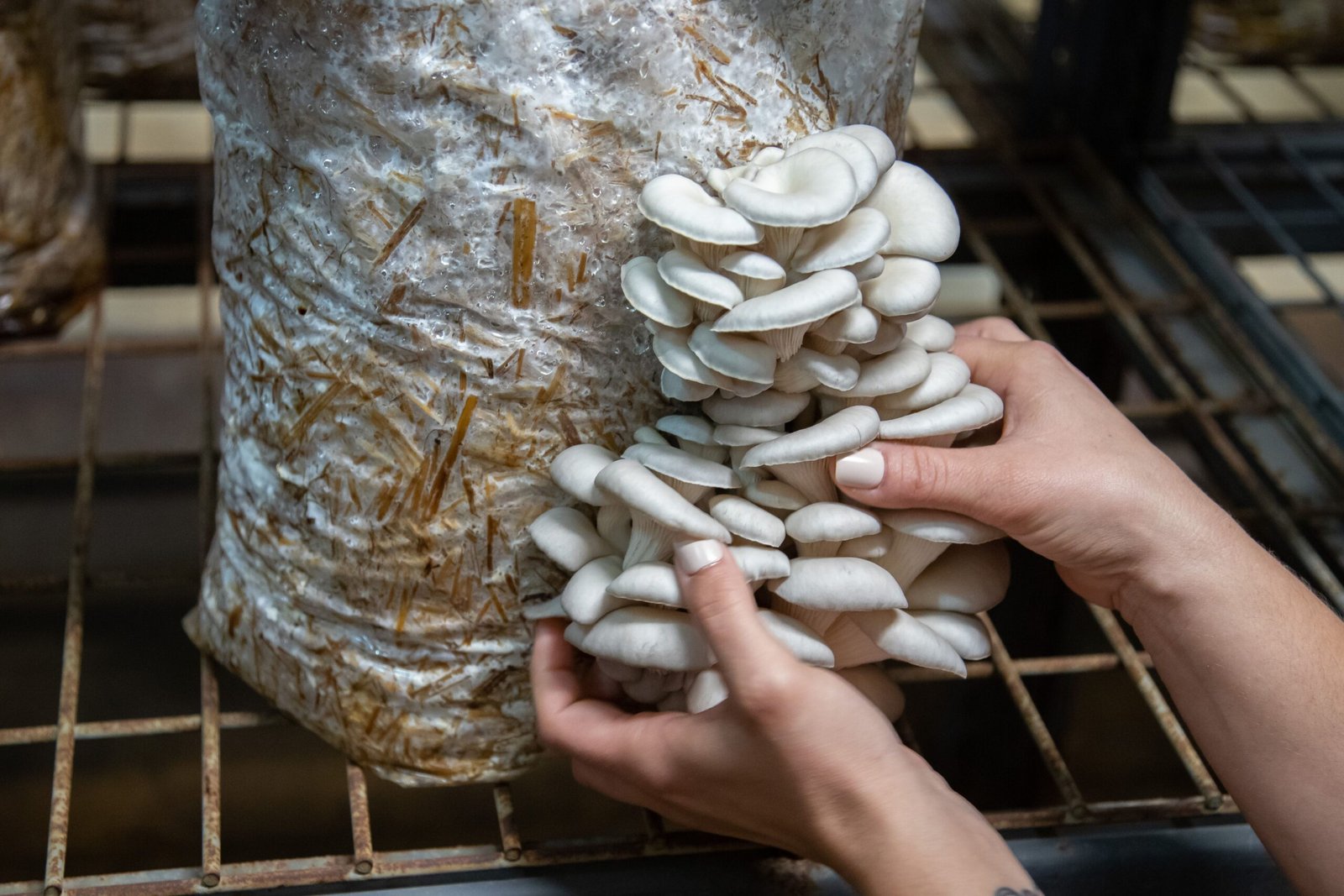
Mushroom Cultivation Business: A Growing Opportunity for Entrepreneurs
Introduction
Have you ever thought about where your food comes from? Mushrooms might seem like a small part of your meal, but they play a significant role in cooking and nutrition. Did you know that growing and selling mushrooms can also be a profitable business? That’s what the mushroom cultivation business is all about!
In this article, we will dive into what it means to cultivate mushrooms, why it can be a great opportunity for entrepreneurs, and how you can get started in this exciting field. This information could be useful whether you’re looking for a new hobby, a side gig, or an entirely new career path.
Why This Matters
Mushroom cultivation has gained popularity for several reasons:
- Growing Demand: More people are turning to mushrooms for their unique flavors and health benefits. This has created a growing market for fresh and gourmet mushrooms.
- Sustainability: Mushroom farming can be an eco-friendly way to produce food. Mushrooms can grow on agricultural waste, making them a sustainable choice.
- Low Start-Up Costs: Compared to many other farming businesses, starting a mushroom farm can require less capital, allowing many entrepreneurs to enter the field.
- Health Benefits: Mushrooms are packed with nutrients and are increasingly sought after as more individuals trend towards healthy eating.
Understanding how to cultivate mushrooms can provide not only financial benefits but also a fulfilling and environmentally friendly way to connect with food and health.
Detailed Explanation of Mushroom Cultivation
Understanding Types of Mushrooms
Before diving into the steps of cultivating mushrooms, it’s essential to understand the different kinds you might want to grow:
- Button Mushrooms (Agaricus bisporus): These are the small, white mushrooms commonly found in grocery stores.
- Oyster Mushrooms (Pleurotus ostreatus): These mushrooms are fan-shaped and come in various colors, including grey, blue, and yellow.
- Shiitake Mushrooms (Lentinula edodes): These popular mushrooms are known for their rich flavor and health benefits.
- Lion’s Mane Mushrooms (Hericium erinaceus): Recognized for their unique appearance, these mushrooms are gaining attention for their potential cognitive benefits.
Getting Started: Step-by-Step Guide
Research and Plan:
- Learn about different species of mushrooms and their growing requirements.
- Assess local market demand for various mushrooms.
Choose a Growing Method:
- Indoor Cultivation: Using controlled environments like grow tents or climate-controlled rooms.
- Outdoor Cultivation: Growing mushrooms on logs or in beds directly in the garden.
- Container Cultivation: Using prepared substrates in containers or bags for small-scale production.
Gather Materials:
- Substrates: Choose materials like straw, wood, or coffee grounds to grow your mushrooms.
- Spores or Spawn: These are the seeds needed to grow mushrooms. Purchase from reputable suppliers to ensure quality.
Set Up Your Growing Environment:
- Ensure your space maintains the right temperature, humidity, and ventilation for your chosen mushroom type.
Start Cultivating:
- Inoculate your substrate with spores or spawn.
- Monitor the growing conditions regularly. Adjust humidity and temperature when necessary.
Harvesting:
- When your mushrooms are ready, harvest them carefully to avoid damaging the crop.
Market Your Mushrooms:
- Develop a marketing plan. You may sell at local farmer’s markets, specialty grocery stores, or directly to restaurants.
Expert-Based Insights
According to the National Agricultural Statistics Service, the U.S. mushroom industry is worth over $1 billion and continues to grow. Many small-scale mushroom businesses thrive alongside larger farms, proving that there’s ample room for new entrepreneurs in the market.
Good practices in mushroom cultivation include maintaining strict hygiene during the cultivation process, knowing the local regulations on selling food products, and consistently testing your methods for optimal results.
Common Questions, Mistakes, and Myths
Frequently Asked Questions
Is mushroom cultivation hard?
- Like any business, it requires learning and practice. Many beginners succeed with the right resources and dedication.
Do you need a lot of space to grow mushrooms?
- Not necessarily! Mushrooms can be grown in small spaces, even indoors, making it accessible for many.
Common Mistakes
- Ignoring Hygiene: Failing to keep growing conditions clean can lead to contamination.
- Not Researching Market Demand: Always check to see what’s popular in your area before deciding which mushrooms to cultivate.
Myths
- Mushrooms grow on trees only: While some mushrooms do grow on trees, many can thrive on various organic materials.
- All mushrooms are easy to grow: Some species are more challenging and require specific conditions to flourish.
Practical Tips & Actionable Advice
Checklist for Getting Started
- [ ] Research different mushroom types
- [ ] Decide on a growing method
- [ ] Gather necessary materials
- [ ] Set up the growing environment
- [ ] Purchase organic spawn from trusted suppliers
- [ ] Monitor growth conditions regularly
- [ ] Plan your sales strategy
Best Practices
- Start Small: Begin with a few small batches. This allows you to learn without overwhelming yourself.
- Keep Notes: Document your methods and results. This will help you improve future crops.
- Network: Connect with local farmers or join online communities to exchange tips and gain support.
Do’s and Don’ts
- Do invest in quality growing materials.
- Don’t overlook the importance of a clean workspace.
- Do seek local resources available for entrepreneurs in agriculture.
- Don’t hesitate to ask questions if you’re unsure about a technique.
Conclusion
Mushroom cultivation can be a fulfilling and profitable pursuit. By learning how to grow mushrooms, you not only join a thriving industry but also contribute to sustainable food practices. Whether you want to start a business or simply explore a new hobby, mushrooms offer many possibilities.
If you feel inspired, why not take the first step? Research your options and explore local resources. As you embark on this journey, remember that, like the mushrooms themselves, your cultivation skills will grow over time. Happy growing!
RELATED POSTS
View all

Exploring Ibogaine Clinics: Your Guide to Treatment and Recovery Options
June 27, 2026 | by VineAndLeafLink.com

Ibogaine Business: Exploring Opportunities in Alternative Healing
June 27, 2026 | by VineAndLeafLink.com