

Psilocin News: Latest Developments in Psychedelic Research
June 28, 2026 | by VineAndLeafLink.com
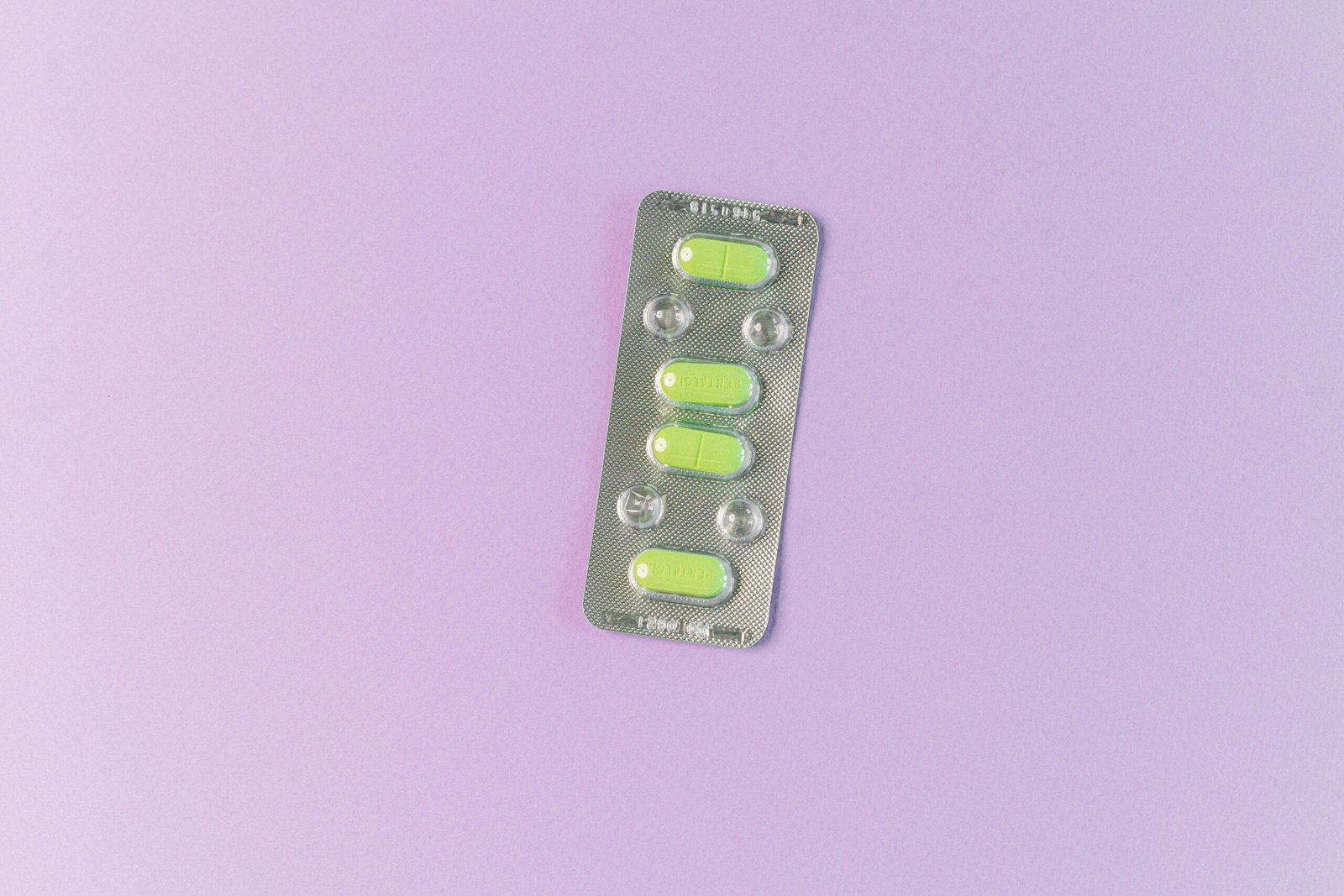
Psilocin News: Latest Developments in Psychedelic Research
Introduction
Have you ever wondered how certain natural substances can change your perception or mood? Psilocin, a compound found in some mushrooms, is part of a growing field of research looking into psychedelics and their potential benefits. Recently, there have been exciting developments in the study of psilocin and other psychedelics that are catching the eyes of scientists, health professionals, and the general public. Understanding these advancements is not just for scientists; they might hold valuable information for anyone interested in health and wellness.
In this article, we’ll explore the latest news about psilocin and how it could impact mental health and wellbeing. Whether you’re curious about how these substances work or interested in their potential benefits, this guide will break it down in simple terms for you.
Why This Matters
The study of psilocin and other psychedelics has gained significant attention for several reasons:
- Mental Health Potential: Various studies have suggested that psilocin and related compounds may be effective in treating conditions like depression, anxiety, and PTSD.
- Public Interest: As more people learn about the benefits of psychedelics, there is a growing demand for research that supports their safe use.
- Cultural Shift: There is a shift in societal views about psychedelics, moving from stigmatization towards acceptance as potential therapeutic tools.
Understanding the developments in psychedelic research is crucial. It can inform you about emerging treatment options and foster productive discussions about mental health and wellness.
Detailed Explanation of Psilocin
What is Psilocin?
Psilocin is a naturally occurring compound found in over 200 species of mushrooms, often referred to as “magic mushrooms.” When consumed, psilocin creates hallucinogenic effects, altering a person’s mood and perception.
How Does Psilocin Work?
- Interaction with Brain: Psilocin interacts with serotonin receptors in the brain. Serotonin is a neurotransmitter that affects mood, cognition, and perception.
- Altered Experiences: This interaction can lead to various effects, including increased emotional experiences, visual changes, and altered thinking patterns.
Current Research Areas
Researchers are studying psilocin in several critical areas:
Mental Health Conditions
- Depression: Studies suggest psilocin may help alleviate symptoms of depression by creating profound emotional experiences that can provide new insights for individuals.
- Anxiety: Some research shows potential benefits for people with anxiety disorders, helping reduce feelings of fear and stress.
Substance Use Disorders:
- Research is looking at how psilocin might assist in reducing alcohol dependence and other substance use issues.
End-of-Life Care:
- Some studies explore how psilocin can help terminally ill patients cope with anxiety and fear about death, providing them with a sense of peace.
Expert-Based or Trust-Focused Information
According to the Multidisciplinary Association for Psychedelic Studies (MAPS) and various academic institutions, recent clinical trials show promising results for psilocin’s therapeutic effects. The research follows strict ethical guidelines and undergoes peer review to ensure reliability.
Important Considerations
- Legal Status: Psilocin and mushrooms containing it are classified as Schedule I substances in many places, which means they are considered illegal. However, research is changing, and some areas have begun to decriminalize or legalize their use for therapeutic purposes.
- Professional Guidance: Anyone considering using psilocin should consult healthcare professionals due to potential psychological risks, especially for individuals with a history of mental health issues.
Common Questions, Mistakes, or Myths
Frequently Asked Questions
Is psilocin safe?
- While some studies suggest psilocin might have therapeutic benefits, it can also pose risks, particularly for people with certain mental health conditions. Safety varies among individuals.
Can psilocin be addictive?
- Most research indicates that psilocin is not physically addictive, but it can lead to psychological dependence in some cases.
Common Myths
Myth: Psilocin is just a drug for recreation.
- Fact: While some people use psilocin for recreational purposes, research is exploring its potential therapeutic applications, which could benefit mental health.
Myth: All psychedelics are dangerous.
- Fact: Not all psychedelics have the same effects or risks. Studies are showing that regulated, therapeutic use can lead to positive outcomes.
Practical Tips & Actionable Advice
Best Practices for Staying Informed
- Stay Curious: Follow reputable sources that provide updates about psilocin research, such as academic journals or mental health organizations.
- Engage in Discussions: Talk to others about your findings and perspectives. Engaging with different viewpoints can broaden your understanding.
- Consult Professionals: If considering any psychedelic substances for therapeutic reasons, speak with a qualified healthcare provider.
Do’s and Don’ts
- Do ask questions and seek evidence-based information.
- Don’t rush to conclusions based on anecdotal experiences alone.
- Do treat the research with respect and acknowledge the complexity of the subject.
- Don’t ignore legal implications; ensure you understand the laws in your area.
Conclusion
In recent years, the exploration of psilocin and its potential benefits for mental health have become more prominent in scientific research. As this field continues to evolve, understanding the implications of these developments can empower you to make informed decisions about your mental wellbeing.
We encourage you to keep learning about this fascinating subject and consider speaking with professionals if you’re curious about how these findings might relate to your own health. Together, let’s build a well-informed community around mental health and wellness.
Always remember that knowledge is key, and staying informed will help you navigate these evolving topics safely.
RELATED POSTS
View all

Latest DMT News: Discover the Breakthroughs and Trends in Psychedelic Research
June 28, 2026 | by VineAndLeafLink.com
Psychedelic Research News: Breakthrough Studies and Insights into Mental Health Treatments
July 9, 2026 | by VineAndLeafLink.com
Latest Peyote News: Insights and Developments in the Psychedelic Community
June 28, 2026 | by VineAndLeafLink.com