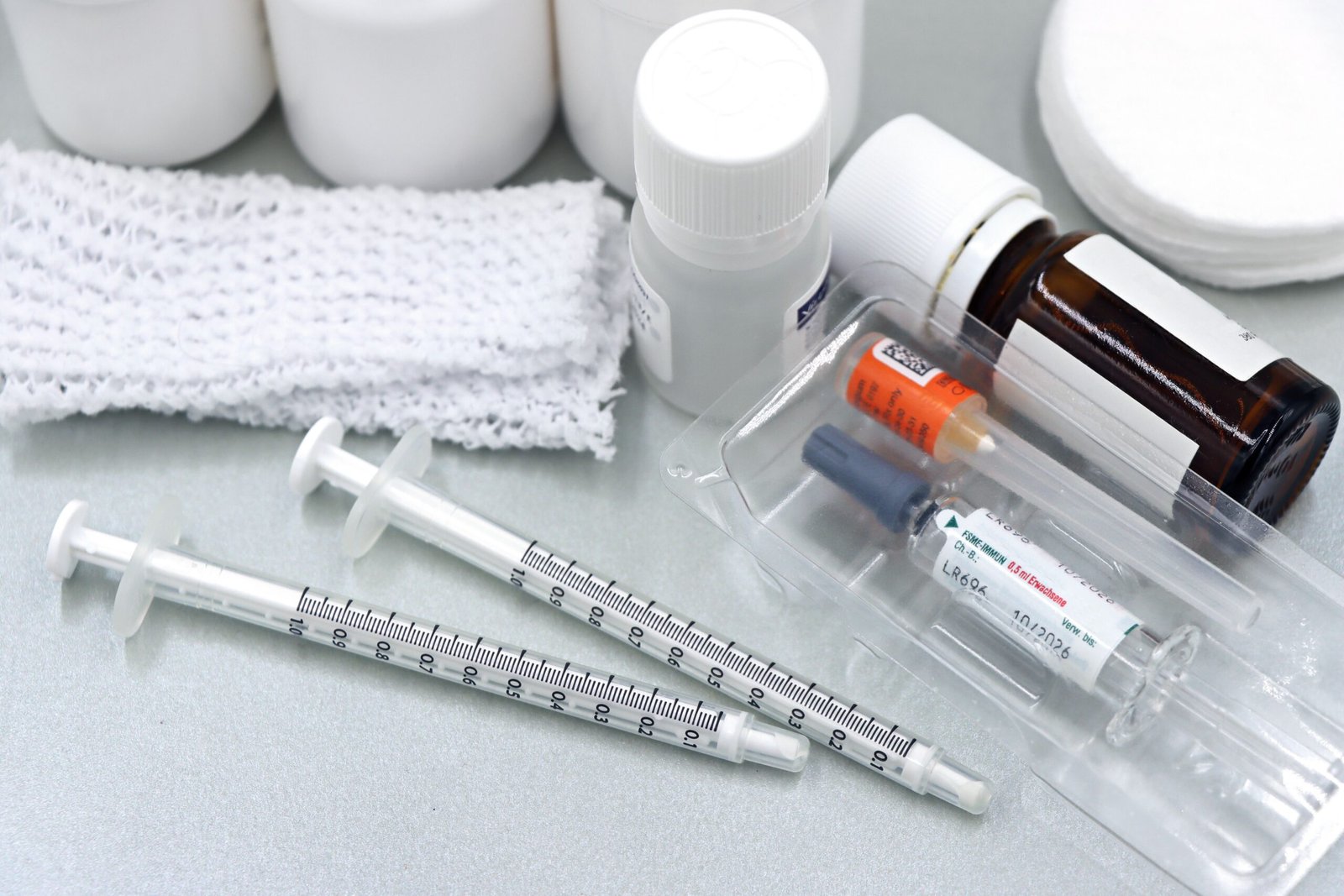
What is Ketamine?
Imagine feeling stuck in a dark cloud of sadness, unable to see the light again. For many people facing severe depression or anxiety, this feeling can be overwhelming. In recent years, a medication called ketamine has gained attention for its potential to help lift this heavy fog. But what exactly is ketamine, and why is it important? This article aims to shed light on this intriguing topic, explain its relevance, and help you understand what you need to know.
Why This Matters
Ketamine was originally developed as an anesthetic for surgeries, but research now shows that it could also be useful for treating depression, anxiety, and even post-traumatic stress disorder (PTSD). Understanding ketamine is valuable for people who suffer from these conditions or know someone who does. If you or someone you care about has struggled with mental health issues, learning about ketamine may provide insights into new treatment options that have the potential to help improve quality of life.
Understanding Ketamine
What is Ketamine?
- Definition: Ketamine is a medication often used in healthcare settings as an anesthetic. However, it is also being studied for its ability to relieve symptoms of depression and anxiety quickly, often within hours.
How Does Ketamine Work?
Mechanism: Ketamine primarily acts on a neurotransmitter in the brain called glutamate. It helps to quickly restore connections between brain cells that may be damaged or not functioning well, which can improve mood and alleviate symptoms of depression.
Speed of Action: Unlike traditional antidepressants, which may take weeks to show effects, ketamine can provide relief within hours, making it a possibly life-changing option for those in crisis.
Types of Ketamine Treatment
1. Intravenous (IV) Ketamine
- Delivery Method: The most common method, where ketamine is administered through an IV in a clinic. Treatments usually last about 40 minutes to an hour.
- Usage: Typically used for patients with severe depression who haven’t responded well to other treatments.
2. Intranasal Ketamine (Spravato)
- Delivery Method: A nasal spray formulation that can be taken at home after an initial treatment session at a clinic.
- Usage: Approved for treatment-resistant depression and provides a more convenient option.
3. Oral Ketamine
- Delivery Method: In some cases, ketamine is prescribed in a pill form, although this method is less common and still being studied.
- Usage: Generally used for research or in certain clinical settings.
Expert Insights and Trustworthy Information
According to sources such as the American Psychiatric Association and various scientific studies, ketamine shows promise in mental health treatment but also requires further research. While it has helped many individuals, its long-term effects, optimal dosing, and best practices are still under investigation. Always consult a healthcare professional before considering any treatment.
Common Questions, Mistakes, or Myths
1. Is Ketamine Legal?
- Yes, ketamine is legal and prescribed for medical use in the United States, but it should only be taken under the guidance of a licensed healthcare provider.
2. Is Ketamine Addictive?
- While ketamine can produce feelings of euphoria, its use for treatment is carefully monitored to reduce the risk of misuse. It’s important to follow a doctor’s guidance.
3. Does Ketamine Work for Everyone?
- No, not everyone will respond to ketamine, and it should be part of a comprehensive treatment plan, including therapy and other medications when needed.
Practical Tips & Actionable Advice
If you’re considering ketamine treatment, here are some tips to help you navigate the process:
Checklist Before Starting Ketamine Treatment
- Consult with a qualified healthcare provider.
- Discuss your full medical history, including any medications you are taking.
- Understand the potential side effects, including nausea or dissociation.
Best Practices
- Be open about your symptoms and concerns during your consultation.
- Maintain follow-up appointments to monitor your progress.
- Engage in psychotherapy or support groups alongside your treatment.
Do’s and Don’ts
- Do: Keep a journal of your symptoms before and after treatment to track progress.
- Don’t: Use ketamine outside of a medical setting or without a prescription.
Conclusion
In summary, ketamine is an exciting development in the field of mental health treatment, offering hope to individuals struggling with depression and anxiety. While it is not a cure-all, its rapid effects and potential benefits warrant further exploration. Always approach any treatment with care and professional guidance. If you or someone you know is considering ketamine, take the time to research, ask questions, and speak with a trusted healthcare provider. The journey to feeling better is possible, and exploring options like ketamine may be a positive step toward finding relief.
RELATED POSTS
View all

What is Ibogaine? A Friendly Guide to Understanding This Unique Substance
June 27, 2026 | by VineAndLeafLink.com