What is Psilocybin? A Friendly Guide to Understanding This Unique Compound
Introduction
Have you ever heard the term “magic mushrooms” or wondered about the substances used in some of today’s alternative therapies? If so, you’ve likely come across the word psilocybin. This fascinating compound is gaining attention for its potential effects on mental health and wellness. In this article, we’ll dive into what psilocybin is, why it matters, how it works, and what you need to know if you’re curious about it.
Understanding psilocybin can help demystify this compound and provide insight into its potential benefits and challenges, especially as it becomes a topic of growing interest in science and therapy.
Why This Matters
Psilocybin is more than just a trendy term; it holds significance for mental health. There is increasing evidence that psilocybin may assist in treating conditions like depression, anxiety, and PTSD. This could lead to new avenues for therapy that can help people who struggle with conventional treatments.
Here are a few reasons why understanding psilocybin is important:
- Therapeutic Potential: Many studies suggest that psilocybin may help people cope with mental health issues.
- Cultural History: Psilocybin mushrooms have been used for centuries in various cultures for spiritual and healing purposes.
- Growing Research: As research on psilocybin continues to unfold, knowing about it keeps you informed about developments in healthcare and mental well-being.
What is Psilocybin?
Understanding Psilocybin
- Definition: Psilocybin is a naturally occurring compound found in certain types of mushrooms, often referred to as “magic mushrooms.”
- Chemical Composition: Chemically, psilocybin is a prodrug, meaning it converts into another compound called psilocin in the body. Psilocin is what affects your mind and body.
How Does Psilocybin Work?
When consumed, psilocybin is converted into psilocin, which interacts with serotonin receptors in the brain. This can lead to changes in perception, mood, and cognition. Here’s a step-by-step breakdown of its effects:
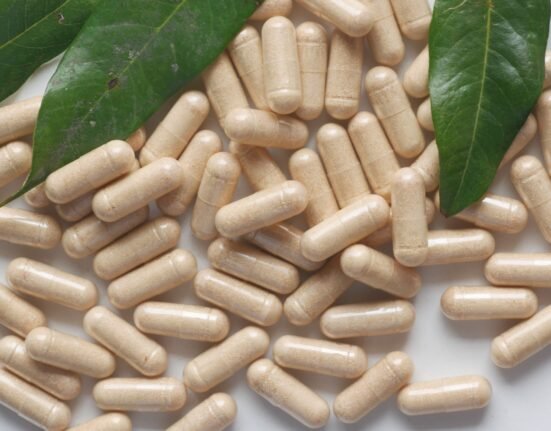
- Consumption: Psilocybin can be taken in several forms, including whole mushrooms, capsules, or tea.
- Digestion: Once ingested, it goes through your digestive system, where it is converted into psilocin.
- Brain Interaction: Psilocin then affects brain receptors, leading to altered thoughts, emotions, and experiences.
- Duration: The effects usually begin within 20 minutes to an hour and can last up to 6 hours, depending on the dose.
Common Questions, Mistakes, or Myths
FAQs about Psilocybin
Is psilocybin safe?
- While many people use it without serious side effects, it is not without risks. The setting, dosage, and individual mental state can affect the experience.
Can psilocybin cause hallucinations?
- Yes, psilocybin is known for inducing visual and auditory hallucinations during its effects.
Can you get addicted to psilocybin?
- Psilocybin does not show properties of addiction and is often considered low-risk for creating dependency.
Is psilocybin legal?
- The legality of psilocybin varies by country and region. Some places have decriminalized or legalized its use for therapeutic purposes, while others have strict prohibitions.
Common Misunderstandings
Myth: All mushrooms are safe to eat.
- Fact: Many mushrooms are poisonous. Only certain varieties contain psilocybin.
Myth: Psilocybin is a cure-all.
- Fact: While research is promising, psilocybin is not a replacement for professional mental health treatment.
Practical Tips & Actionable Advice
If you’re thinking about exploring psilocybin, here are some practical tips:
Do’s and Don’ts
Do’s
- Research First: Understand local laws around psilocybin use.
- Start with a Trusted Source: If you decide to try it, ensure it’s sourced from a reputable provider.
- Set and Setting: Choose a comfortable environment and a positive mindset for the experience.
Don’ts
- Don’t Overdo It: Start with a small dose to gauge your reaction.
- Don’t Mix with Other Substances: Combining substances can lead to unpredictable effects.
- Don’t Go Alone: Having a trusted friend or guide can enhance safety and support.
Checklist for First-Timers
- [ ] Research legality and safety.
- [ ] Talk to a healthcare provider if you have concerns.
- [ ] Prepare your environment (safe, comfortable).
- [ ] Have a sober friend present.
- [ ] Start with a small dose.
Expert-Based or Trust-Focused Information
The interest in psilocybin has led to various studies by reputable institutions, including Johns Hopkins University and NYU. They focus on the therapeutic benefits of psilocybin, particularly its impact on mental health disorders. Various publications note its potential as a treatment option, lending credibility to the growing conversation around its use in therapy.
Conclusion
In summary, psilocybin is a naturally occurring compound found in certain mushrooms, gaining attention for its potential mental health benefits. As research continues to evolve, it’s crucial to approach this compound with an informed perspective.
If you are interested in exploring psilocybin further, whether for personal curiosity or mental health reasons, do so responsibly. Remember to consider local laws, do thorough research, and consult with a professional if needed.
With the correct knowledge and support, psilocybin might open new paths for healing and understanding. Always approach with curiosity, caution, and respect for this complex compound.