Mescaline Legality: Understanding the Legal Status and Implications
Introduction
Have you ever wondered about the legal status of certain substances, like mescaline? Some people hear about mescaline and think of its traditional use by Indigenous cultures and its role in the modern psychedelic movement. But what does the law say about mescaline? Understanding the legality of mescaline is important, especially for people who may be curious about its effects and uses. In this article, we’ll explore what mescaline is, its legal status in different places, and what it means for individuals thinking about using it.
Why This Matters
Knowing the legal status of mescaline is crucial for several reasons:
- Safety and Health: Understanding whether mescaline is legal helps individuals make informed choices about their health.
- Avoiding Legal Trouble: Using a substance that is illegal could result in fines, imprisonment, or other legal issues. It’s vital to be aware of the laws to avoid unexpected consequences.
- Cultural Understanding: Mescaline has historical significance in various Indigenous cultures. Recognizing its legal status can also highlight the importance of cultural practices and discussions surrounding natural substances.
The relevance of this topic stretches from curiosity to real-life consequences, making it essential for readers to understand.
Detailed Explanation of Mescaline Legality
What is Mescaline?
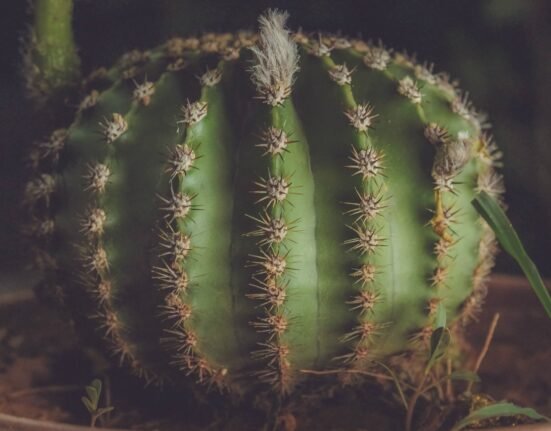
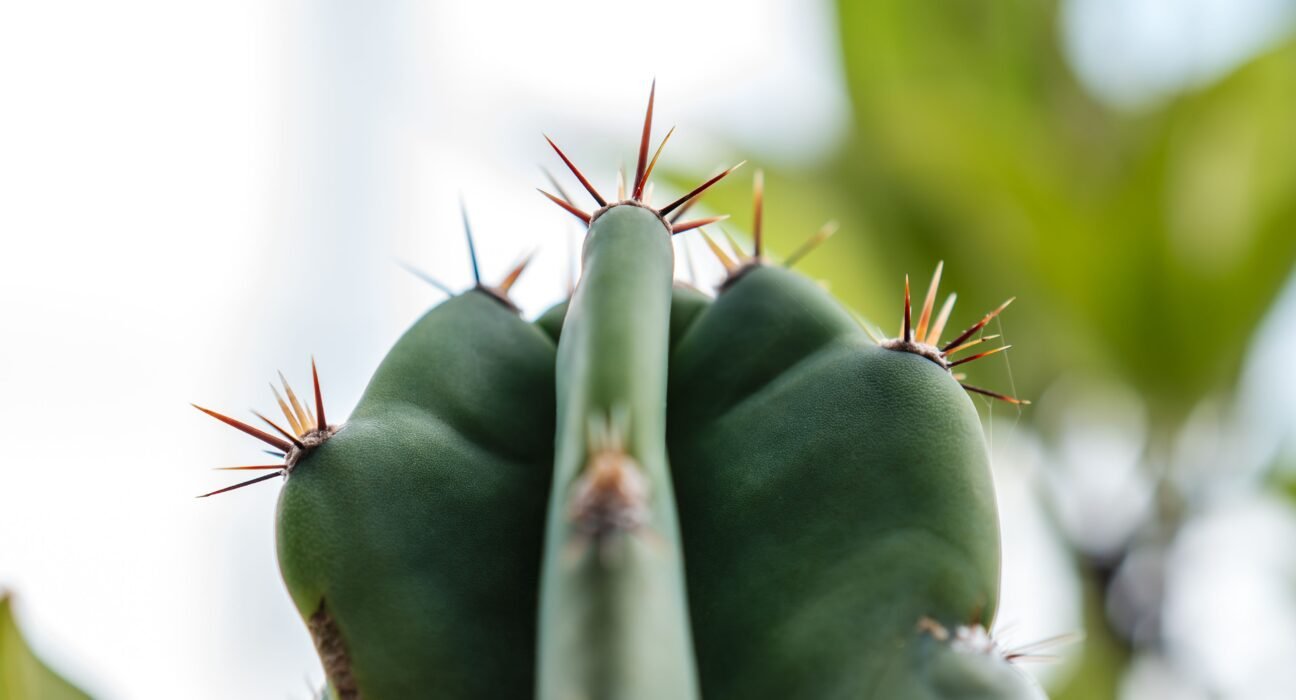
Mescaline is a naturally occurring psychedelic substance found in certain cacti, notably the peyote cactus. People use mescaline for its hallucinogenic properties, which can lead to vivid visual and auditory experiences. It has been used in religious and spiritual ceremonies, particularly among Indigenous peoples in North America.
Legal Status by Region
The legality of mescaline can vary widely depending on where you are. Here’s a breakdown:
United States
- Illegal: In most states, mescaline is classified as a Schedule I substance under the Controlled Substances Act. This means it is considered illegal to manufacture, distribute, or possess mescaline for non-research purposes.
- Religious Exemptions: There are some exceptions for specific Indigenous groups. For example, members of the Native American Church can use peyote in religious ceremonies, protected under U.S. law.
Canada
- Illegal: Like the U.S., mescaline is classified as a controlled substance, making it illegal to possess, sell, or use.
- Indigenous Rights: Similar provisions exist for Indigenous peoples, allowing the use of peyote under certain circumstances for religious practices.
Europe
- Varied Status: In some European countries, mescaline and the peyote cactus are illegal. However, in certain places like the Netherlands, there may be more lenient regulations regarding the use of psilocybin mushrooms and other psychedelics.
Global Overview
Most places around the world treat mescaline as a controlled substance. However, as societies evolve, attitudes toward psychedelics are shifting, leading to discussions about potential legal reforms.
Expert-Based Information
According to reputable sources such as the National Institute on Drug Abuse and the World Health Organization, the classification of substances like mescaline is based on their potential for abuse, the safety of use under medical supervision, and currently accepted medical uses. It’s essential to rely on verified information from these types of organizations for accurate knowledge.
Common Questions, Mistakes, or Myths
Frequently Asked Questions
Is mescaline a safe drug?
- While some people report positive experiences, the lack of regulation and research means safety cannot be guaranteed. Its effects can vary widely from person to person.
Can I get in trouble for using mescaline if I’m in a country where it’s illegal?
- Yes, possessing or using mescaline in illegal regions can lead to serious legal problems, including fines and imprisonment.
Are there legal alternatives to mescaline?
- Some places are exploring the legalization of other psychedelics, such as psilocybin, but mescaline remains mostly illegal.
Common Misunderstandings
Myth: Mescaline is harmless since it comes from a plant.
- Truth: Just because a substance is natural doesn’t mean it’s safe. Mescaline can have potent effects and pose risks, especially when used irresponsibly.
Myth: All psychedelics are legal.
- Truth: Most psychedelics, including mescaline, are illegal in many parts of the world.
Practical Tips & Actionable Advice
If you’re considering exploring this subject further, here are some practical tips:
Do’s and Don’ts
- Do: Research your local laws regarding mescaline and other psychedelics. Being informed is the first step.
- Do: Consider discussing any interest in psychedelics with a healthcare professional who can provide guidance tailored to your individual needs.
- Don’t: Assume that because something is natural, it is automatically safe to use.
- Don’t: Ignore legal repercussions. Understanding the law helps in making safe and responsible choices.
Checklist
- Understand Local Laws: Keep up with the legal status of mescaline in your region.
- Educate Yourself: Read up from reputable sources about the effects and risks of mescaline.
- Speak to Experts: Consult healthcare providers for advice regarding mental health and substance use.
Conclusion
Understanding the legality of mescaline is essential for anyone curious about its use. Knowing the laws can help prevent legal problems and ensure safe choices regarding health. While conversations about psychedelics are evolving, it’s important to remain informed and respectful of legal and cultural guidelines. If you have further questions or want to explore this subject more, consider seeking out expert resources or discussions for a deeper understanding. Always remember, knowledge is the best way to navigate complex topics like mescaline legality!