

Ibogaine News: Latest Developments in Addiction Treatment and Research
June 27, 2026 | by VineAndLeafLink.com
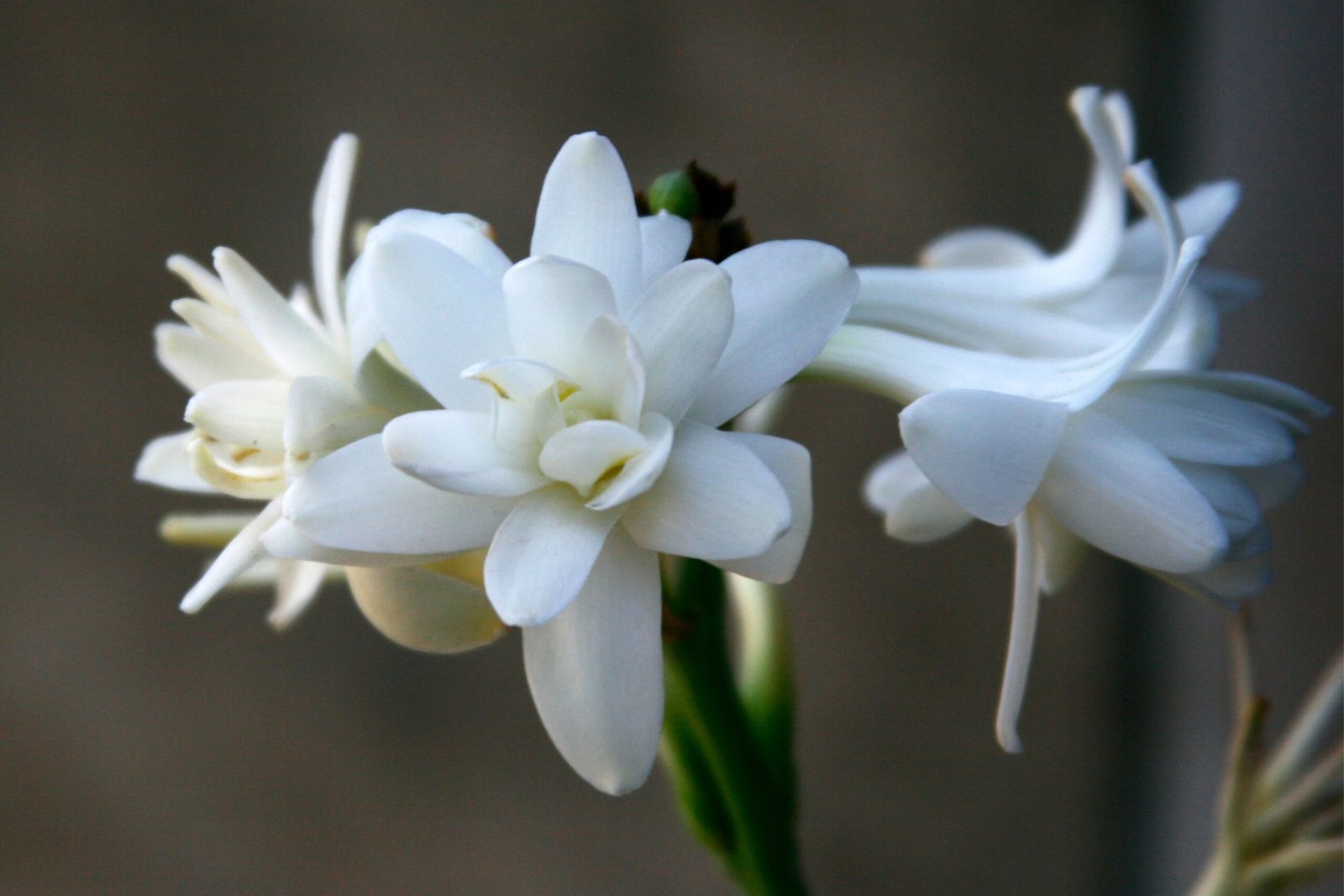
Ibogaine News: Latest Developments in Addiction Treatment and Research
Engaging Introduction
Have you ever felt curious about new methods of treating addiction? With so many stories and options out there, it can be overwhelming to find something that truly works. One of those methods that has been gaining attention is Ibogaine, a substance derived from the root of a plant called Tabernanthe iboga. Recent developments in research and treatment involving Ibogaine are making waves in the addiction recovery community. In this article, we will explore what Ibogaine is, the ongoing research around it, and how it could play a role in treating addiction.
Understanding the latest news about Ibogaine can help anyone interested in addiction treatment—whether you or someone you know is struggling, or you’re just curious about new developments. This topic is relevant because addiction affects millions of people across the world, and new treatments like Ibogaine could provide hope for recovery.
Why This Matters
Ibogaine has shown promise as a potential aid in treating substance use disorders. Here are a few reasons why this topic is important:
Expanding Treatments: With traditional addiction treatments sometimes falling short, exploring other remedies like Ibogaine provides more options.
Research Backing: Ongoing scientific studies may reinforce or challenge our current understanding of addiction treatment, helping create better approaches.
Potential for Change: For individuals struggling with addiction, new treatment methods can offer paths to recovery that might have previously seemed inaccessible.
Real-world relevance is also seen in the growing number of recovery centers exploring Ibogaine treatment, as well as testimonials from people who have benefited from its use.
Detailed Explanation
What is Ibogaine?
Ibogaine is a naturally occurring psychoactive compound. Here’s what you should know:
- Source: It comes from the Tabernanthe iboga plant, primarily found in West Africa.
- Usage: Traditionally, it has been used in ceremonies by certain tribes for spiritual and healing purposes.
- Mechanism: It works by interacting with brain receptors, which can affect how the brain processes addiction and withdrawal symptoms.
The Current State of Research
New studies are exploring various aspects of Ibogaine. Here’s a step-by-step breakdown:
Preclinical Studies: Early research often involves lab tests and animal studies to understand how Ibogaine affects addiction.
Clinical Trials: More advanced research involves human participants to see how effective Ibogaine can be in treating people with addictions, especially to opioids and alcohol.
Findings: While results vary, some studies report that Ibogaine may reduce withdrawal symptoms and cravings, providing temporary relief while individuals work through recovery.
Setting the Context
Research on Ibogaine is ongoing and often falls under various categories:
Safety: Is it safe for long-term use? Studies are investigating the best practices for administering Ibogaine to minimize risks.
Efficacy: How effective is Ibogaine when compared to other treatments? Research aims to answer this to establish proper modalities.
Legal and Ethical Concerns: As an unregulated substance in many places, the legality of Ibogaine can complicate its use. Ongoing discussions about its regulation are part of research efforts.
Expert-Based or Trust-Focused Information
Different organizations and research groups continue to study this plant-derived treatment. The National Institutes of Health (NIH) and the Substance Abuse and Mental Health Services Administration (SAMHSA) are reputable sources focusing on addiction treatment research. Keeping viewers informed through established institutions helps maintain trustworthy narratives around Ibogaine’s potential.
It’s important, however, to avoid assuming that Ibogaine is a guaranteed cure for addiction. Treatment must be personalized, and what works for one person may not work for another.
Common Questions, Mistakes, or Myths
Frequently Asked Questions
Is Ibogaine a miracle cure?
- No, Ibogaine is not a miracle cure. It may help reduce withdrawal symptoms but should be part of a comprehensive treatment plan.
Is it safe?
- Like all treatments, Ibogaine has potential risks and side effects. Consulting healthcare professionals is essential before considering it.
Where can I find treatment?
- Some clinics offer Ibogaine treatment, but finding a reputable facility that prioritizes safety and aftercare is crucial.
Clarifying Misunderstandings
Some think that using Ibogaine means they can stop other addiction therapies. That’s not true. While it might help lessen withdrawal and cravings, running away from comprehensive care with counseling and support can lead to setbacks.
Practical Tips & Actionable Advice
If you’re considering learning more about Ibogaine or addiction treatment, here are some tips to keep in mind:
Do’s:
Do Your Research: Look for up-to-date information about Ibogaine from reputable health organizations.
Consult Professionals: Discuss treatment options with medical professionals specializing in addiction.
Consider Aftercare: Recovery is an ongoing process; ensure a plan for support follows any treatment.
Don’ts:
Don’t Rely Solely on Ibogaine: Avoid the belief that one treatment alone will be sufficient for recovery.
Don’t Ignore Risks: Be aware of possible side effects and the need for medical supervision during treatment.
Checklist for Exploring Ibogaine Treatment:
- Research the effectiveness and legality in your area.
- Reach out to professionals for a consultation.
- Check for accredited clinics or programs that offer Ibogaine treatment.
Strong Conclusion
As research continues to evolve, Ibogaine stands at the forefront of new approaches to treating addiction. While it may offer hope to many, understanding its role within a broader treatment plan is essential. Always consult qualified healthcare professionals to explore all available resources.
If you or someone you know is struggling with addiction, don’t hesitate to reach out for help and explore different treatment options. Recovery journeys can be challenging, but with the right support, they can lead to positive outcomes. Remember, every step taken towards understanding and healing is a step in the right direction!
RELATED POSTS
View all

Psilocin News: Latest Developments in Psychedelic Research
June 28, 2026 | by VineAndLeafLink.com
Psychedelic Research News: Breakthrough Studies and Insights into Mental Health Treatments
July 9, 2026 | by VineAndLeafLink.com