Exploring the Future of Mental Health at the Psilocybin Conference
Introduction
Have you ever wondered how our understanding of mental health could change in the future? Many people face challenges like anxiety, depression, and PTSD, and traditional treatments don’t always work for everyone. This is where the Psilocybin Conference comes in!
The conference focuses on exploring the potential benefits of psilocybin, a compound found in certain mushrooms, in treating mental health conditions. In simple terms, it’s a gathering of scientists, therapists, and researchers discussing how psilocybin might help improve mental health treatments. This topic is not just for experts; it’s relevant to anyone interested in mental well-being and looking for new perspectives on emotional health.
Why This Matters
Understanding the future of mental health treatment can be very beneficial for everyone. Here’s why the Psilocybin Conference is significant:
New Treatment Options: Psilocybin has shown promise in clinical studies for alleviating severe depression and anxiety. Talk of new treatments offers hope to those who haven’t found relief through traditional methods.
Changing Stigmas: Many people still think of psychedelics as “bad”. The conference helps educate the public on the positive sides and medical potential of substances like psilocybin.
Community and Support: The conference fosters dialogue among professionals and advocates, aiming to share knowledge and experiences, which is empowering for anyone dealing with mental health issues.
Research Advancements: Knowledge shared at the conference may lead to breakthroughs in scientific research, ultimately benefiting patients with innovative therapies.
Detailed Explanation of Psilocybin and Its Uses
What is Psilocybin?
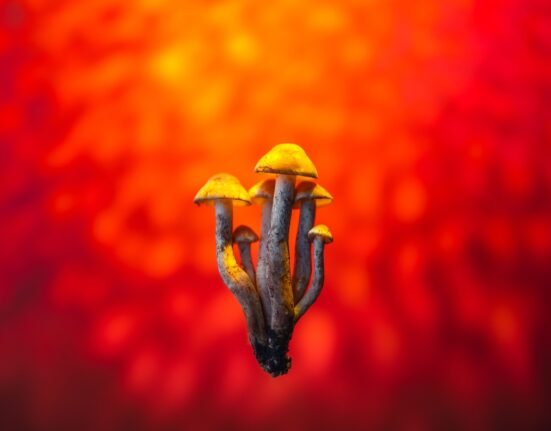
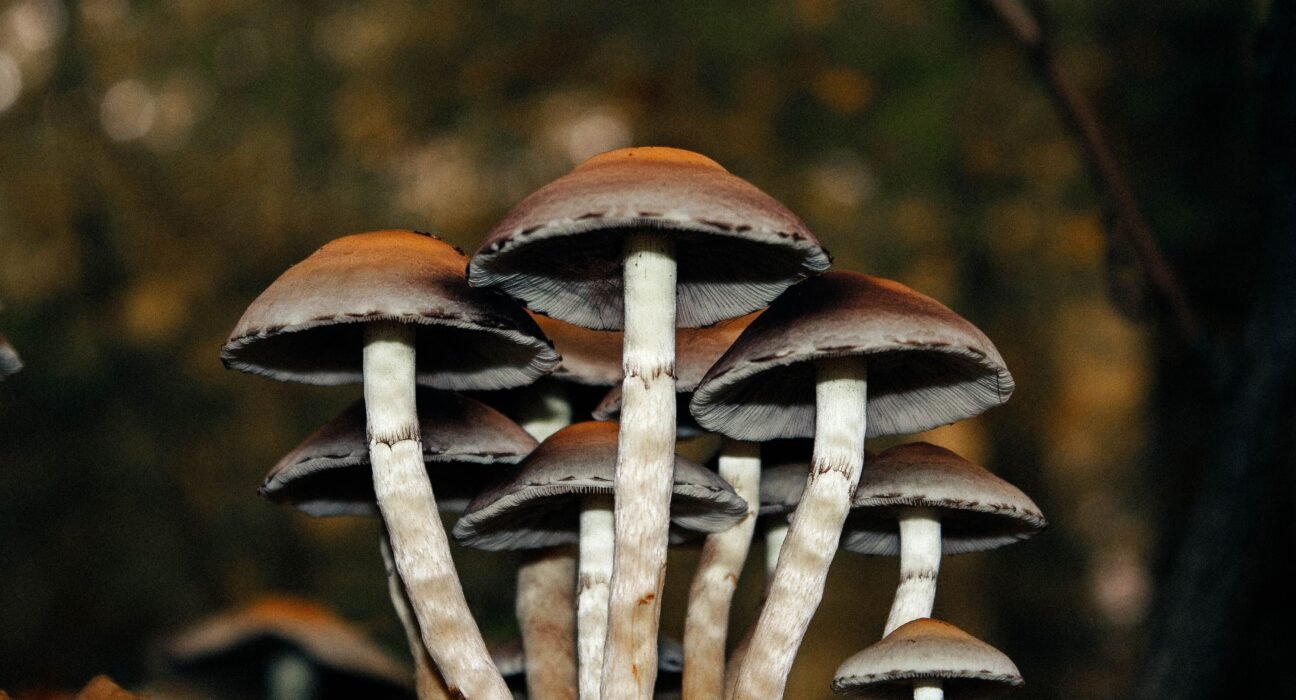
Psilocybin is a naturally occurring psychoactive substance found in over 200 types of mushrooms, commonly referred to as “magic mushrooms.” When ingested, psilocybin converts to psilocin, which can change the way we perceive reality, feelings, and thoughts.
How Can Psilocybin Impact Mental Health?
Research is still ongoing, but many studies suggest that psilocybin might help with:
Depression: Some studies show that patients experience reduced symptoms of depression after treatment with psilocybin.
Anxiety: Psilocybin may help decrease anxiety symptoms in patients who are terminally ill or facing extreme stress.
PTSD: Research indicates that it can aid individuals suffering from post-traumatic stress disorder, offering new ways to process trauma.
Benefits of Attending the Conference
Here are some reasons to consider attending or following the Psilocybin Conference:
Learn from Experts: Gain insights from researchers, psychologists, and professionals who are at the forefront of mental health treatment science.
Networking: Meet others who are passionate about mental health, psychedelics, and wellness.
Stay Informed: Discover the latest research and developments in the field.
Practical Advice: Access panels and workshops that may provide helpful strategies for managing mental health with psilocybin and other therapies.
Categories of Information Discussed at the Conference
Scientific Research: Presentations about ongoing clinical trials related to psilocybin.
Personal Stories: Sharing of personal experiences from individuals who have used psilocybin in therapy.
Regulatory Discussions: Understanding how laws are changing around the use of psilocybin and what that means for future treatment options.
Expert-Based Information
Leading medical institutions like Johns Hopkins University and NYU have conducted significant research on psilocybin’s effects on mental health. Their studies reveal promising results, suggesting a move toward recognizing psilocybin as a therapeutic option for certain mental health conditions.
However, it’s essential to approach this topic critically. While research offers hope, psilocybin is still classified as a Schedule I substance in many countries, meaning it’s considered to have no medical use. This makes it vital to advocate for regulated research and professional guidance.
Common Questions, Mistakes, or Myths
Myth: Psilocybin is just like other drugs.
Explanation: Psilocybin is being studied for its potential therapeutic benefits, unlike recreational drugs that may lead to addiction or harmful effects.Question: Is psilocybin legal?
Explanation: In many countries and states, it remains illegal. However, some areas are starting to allow its use in clinical settings.Mistake: Believing that psilocybin can cure mental health issues completely by itself.
Explanation: It works best when used in a controlled, therapeutic environment, often alongside professional therapy.
Practical Tips & Actionable Advice
As you explore the world of psilocybin and mental health, consider these useful tips:
Checklist for Exploring Psilocybin and Mental Health
Research Studies: Look up reputable studies on psilocybin’s effects on mental health.
Stay Informed: Follow mental health professionals and institutions known for their work with psychedelics.
Connect with Others: Join forums or groups focused on mental health support and psilocybin discussions.
Do’s and Don’ts
Do: Talk openly with healthcare providers about mental health options, including new treatments.
Don’t: Self-medicate with psilocybin without guidance from professionals.
Do: Attend workshops or conferences to learn more about psilocybin and mental health.
Don’t: Ignore personal feelings or symptoms; reach out for help when needed.
Conclusion
The Psilocybin Conference presents a forward-thinking perspective on mental health, showing potential new pathways for treatment. As research continues to explore psilocybin’s therapeutic uses, it opens doors for hope, support, and healing.
If you’re interested in the future of mental health, consider seeking out more information or getting involved with local communities and discussions around the topic. Remember, mental health is a journey, and it’s essential to be informed and supported as you move forward.
With each step taken towards understanding and accepting innovative mental health treatments, there is hope for a healthier future.