Exploring LSD Culture: A Journey Through Psychedelic Art
Introduction
Have you ever looked at a piece of art and felt like it was pulling you into a different world? Some of the most captivating art comes from a unique movement influenced by LSD, a powerful psychedelic substance. Exploring LSD culture and the art it inspired invites you on a vivid journey that blends creativity, history, and a quest for understanding our minds. In this article, we’ll dive into the essence of psychedelic art, discuss its relevance to our lives today, and help you appreciate the beauty and complexity behind this fascinating cultural phenomenon.
Why This Matters
Understanding LSD culture and its link to art is valuable for several reasons:
- Cultural Awareness: Learning about this topic helps us understand a pivotal movement in modern art and its impact on society.
- Creative Inspiration: Many artists and thinkers have drawn inspiration from psychedelic experiences, and their works continue to influence creatives today.
- Mental Health Exploration: Psychedelics are garnering interest in the fields of therapy and personal growth, providing invaluable insights into human consciousness.
Whether you’re an art lover, a curious mind, or someone interested in mental health and creativity, exploring this culture can provide deeper insights into both art and life.
Exploring LSD Culture Through Psychedelic Art
What Is Psychedelic Art?
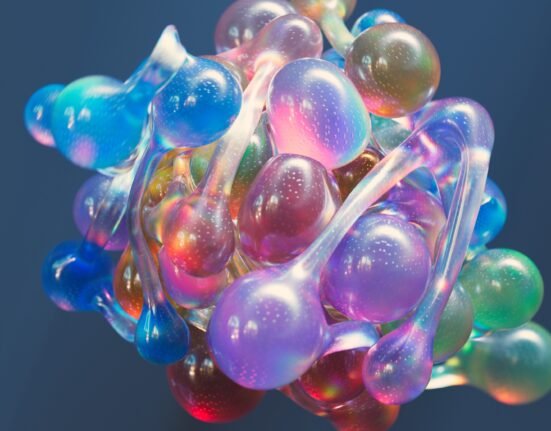
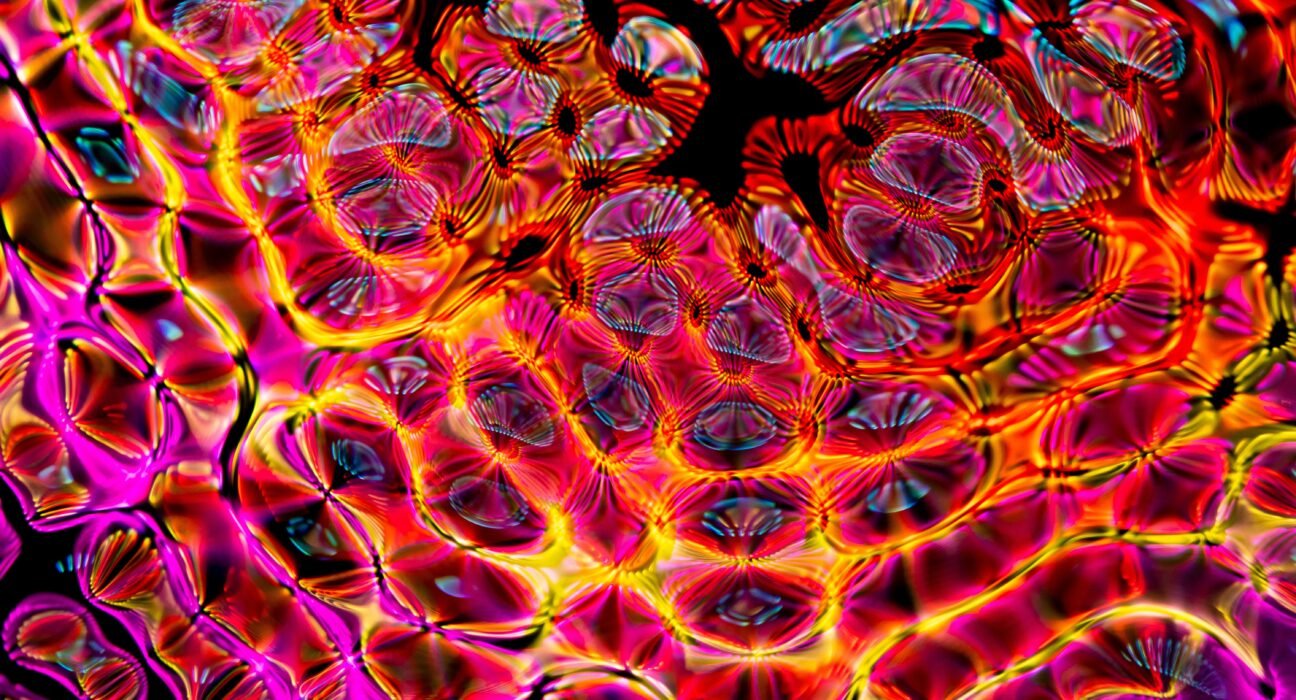
Psychedelic art is a style that emerged in the 1960s, inspired by the experiences of people using LSD and other hallucinogenic substances. This art often features:
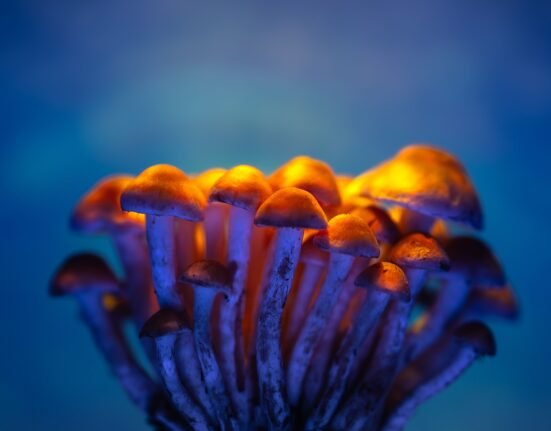
- Vivid Colors: Bright, exaggerated colors create a dreamlike atmosphere.
- Surreal Imagery: Unusual and imaginative subjects encourage exploration of the subconscious.
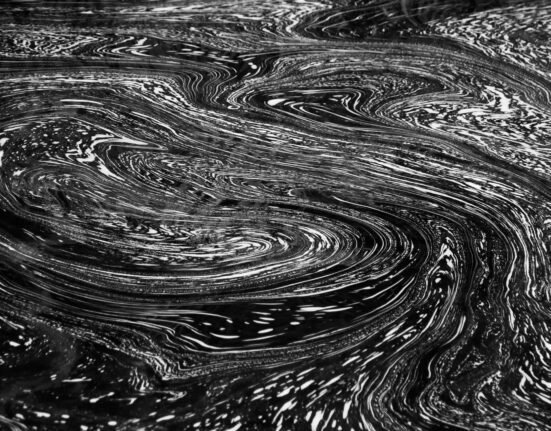
- Complex Patterns: Repetitive shapes and intricate designs can evoke feelings of movement or transformation.
Prominent artists, such as Peter Max and Victor Moscoso, played crucial roles in this movement, creating iconic posters and illustrations that captured the essence of the psychedelic experience.
Key Elements of Psychedelic Art
1. Color
- Bright & Bold: Using bright colors that stand out.
- Visual Harmony: Blending colors to create depth and vibrancy.
2. Patterns & Shapes
- Repeating Patterns: Spiral designs or fractals that are mesmerizing.
- Organic Forms: Shapes that mimic nature, like flowers or waves.
3. Surreal Imagery
- Dreamlike Scenes: Art that challenges normal perceptions, mixing reality with the surreal.
- Symbolism: Common themes might include peace, love, and exploration of the mind.
The History Behind Psychedelic Art
1960s Counterculture: The rise of the hippie movement created an environment rich in experimentation with new ideas and substances, including LSD.
Music Influence: Bands like The Grateful Dead and Jefferson Airplane helped popularize psychedelic art through album covers and concert posters.
Art Movements: Psychedelic art drew from various influences, including Abstract Expressionism and Surrealism, creating a unique hybrid that resonated with many people.
Expert-Based Perspectives
Many artists and psychologists support the exploration of LSD and its effects on creativity. For instance, researchers from Johns Hopkins University have published studies suggesting that psychedelics can promote creative thinking and offer pathways to self-discovery. Although these findings are promising, it’s crucial to approach such topics with care, considering both the potential benefits and the risks of substance use.
Common Questions, Mistakes, or Myths
FAQs
Is LSD only about art?
- No, while it heavily influenced art, LSD’s impact extends to music, literature, and even spirituality.
Do you have to use LSD to appreciate psychedelic art?
- Absolutely not! You can appreciate and feel moved by psychedelic art without ever experiencing LSD.
Is all psychedelic art the same?
- No, psychedelic art varies widely, influenced by different artists, cultures, and personal experiences.
Practical Tips & Actionable Advice
If you’re intrigued by psychedelic art and its cultural implications, here are some tips to further explore this world:
Do’s and Don’ts
Do:
- Visit galleries or exhibitions showcasing psychedelic art.
- Read books or articles about the history of psychedelics and their cultural influence.
- Attend music festivals that celebrate psychedelic art and culture.
Don’t:
- Rush to try psychedelics without understanding the risks and legal implications.
- Assume that psychedelic experiences are the only avenue to understanding this art.
Quick Checklist for Exploring Psychedelic Art
- [ ] Research key artists and movements.
- [ ] Explore online galleries dedicated to psychedelic art.
- [ ] Join community discussions or forums focused on the topic.
- [ ] Keep an open mind to the themes and emotions evoked by the art.
Conclusion
Exploring LSD culture and its connection to psychedelic art opens up a colorful world filled with creativity and depth. By understanding this vibrant movement, you can appreciate not just the art itself but also the cultural and historical contexts that shaped it. Remember, while the psychedelic experience can be intriguing, you can enjoy and learn from this art without any personal involvement in its origins.
If you’re curious to learn more, consider visiting art exhibits, reading more about the topic, or even connecting with artists who specialize in this genre. Embarking on this journey can lead to an enriching experience full of creativity and exploration. Enjoy diving into the vivid realms of psychedelic art!