
Exploring Psilocin Experiences: Insights
Introduction
Have you ever wondered about the experiences people have with certain substances found in nature? One of these intriguing topics is psilocin, a compound present in certain mushrooms known as “magic mushrooms.” If you’ve heard about psilocin but aren’t familiar with it, you’re in the right place! Exploring Psilocin Experiences: Insights refers to understanding what people experience when they consume psilocin, including its effects, benefits, and potential risks.
This topic is important because more people are becoming interested in natural substances and their potential to impact mental health and well-being positively. Understanding psilocin experiences can help you make informed choices if you ever consider learning more about it.
Why This Matters
Exploring Psilocin Experiences: Insights can offer valuable information for several reasons:
Mental Health Benefits: Recent studies suggest that psilocin may help treat conditions like depression and anxiety. Learning about these effects could inspire new approaches to mental wellness.
Personal Growth: Many individuals report profound personal insights during psilocin experiences. Understanding these reports can help you explore your own consciousness without fear or misunderstanding.
Safety Awareness: Knowledge about psilocin can guide you on how to navigate these experiences safely if you are ever in a position to consider them.
Being informed is crucial, so let’s prepare to dive deeper into this fascinating subject.
Understanding Psilocin
What is Psilocin?
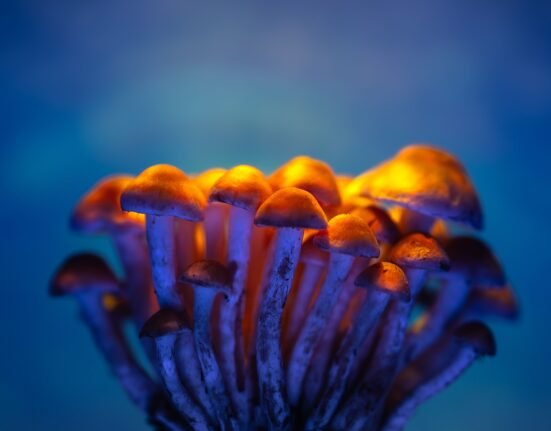
Psilocin is a naturally occurring psychedelic compound primarily found in certain mushrooms. When people consume these mushrooms, psilocin is what predominantly affects the brain, leading to changes in perception, thought processes, and mood.
How Does Psilocin Work?
When psilocin enters the body, it interacts with serotonin receptors in the brain. Serotonin is a chemical that helps regulate mood, emotions, and sleep. By altering how these receptors work, psilocin can change the way a person feels and perceives the world around them.
The Experience of Psilocin
The experiences people have with psilocin can vary widely. Here’s a general breakdown:
Onset:
- Effects usually begin within 20 to 40 minutes after consumption.
- People may feel minor physical sensations or a sense of excitement.
Peak Experience:
- The strongest effects occur about 1 to 2 hours after consumption.
- Common experiences include visual and auditory changes (colors appearing brighter, patterns shifting, etc.) and profound emotional sensations.
Come Down:
- Effects gradually fade over the next several hours, leading to a return to normalcy.
What People Report
- Visual and Auditory Hallucinations: Many have described seeing vibrant colors and shapes or hearing sounds more intensely.
- Emotional Release: Some feel intense emotions, either positive (euphoria) or negative (fear), which can lead to a sense of clarity.
- Connection to Nature and Others: People often report feeling a deep connection with nature or a sense of unity with others.
Expert-Based Insights
Research on psilocin has been gaining momentum. Notable institutions, including Johns Hopkins University, have conducted studies on the effects of psilocin on anxiety, depression, and addiction. Findings suggest that psilocin may help people confront emotional issues and gain new perspectives.
However, it’s essential to approach psilocin with caution. Here are some important reminders:
- Legal Status: The legality of psilocin varies by region. Always check your local laws before considering its use.
- Health Risks: While psilocin may benefit some, it could cause adverse reactions for others, particularly for those with a history of mental health issues.
Common Questions, Mistakes, or Myths
Frequently Asked Questions
Is psilocin safe?
While many report positive experiences, psilocin can have risks, particularly for individuals with mental health concerns. Always prioritize safety.Can I control my experience?
While setting and mindset matter, the effects can still be unpredictable.Is psilocin addictive?
Current research suggests psilocin is not considered physically addictive, but psychological dependency can occur.
Common Misunderstandings
Myth: All psilocin experiences are positive.
Truth: While many have uplifting experiences, some can be challenging and induce feelings of anxiety or paranoia.Myth: You can take psilocin casually without consequences.
Truth: Just like any powerful substance, it deserves respect and consideration.
Practical Tips & Actionable Advice
If you are curious about psilocin experiences, here are some practical tips to consider:
Checklist for Preparing for an Experience
- Research Thoroughly: Understand what psilocin is and how it works.
- Set a Clear Intent: Think about what you hope to gain from the experience.
- Choose a Safe Environment: Being in a comfortable, secure space is essential.
- Have a Trusted Friend: A sober companion can provide support.
Do’s and Don’ts
- Do talk to a healthcare professional if you have concerns or conditions that might affect your experience.
- Don’t engage in the experience alone, especially if you are inexperienced.
- Do ensure you are in a safe, calm environment free from potential distractions or disturbances.
- Don’t underestimate your mental state going into it; be prepared for various emotions.
Conclusion
Exploring Psilocin Experiences: Insights can open doors to understanding one of nature’s intriguing compounds. While psilocin holds potential benefits for mental health and personal growth, it is crucial to approach it responsibly and educatedly. Remember the importance of your safety and well-being above all else.
If you’re intrigued to learn more, consider reaching out to professionals who specialize in this aspect of mental health, or explore trusted resources for deeper insights. An informed approach can lead to a more enriching experience—should you choose to pursue that path.
In this ever-evolving conversation about natural substances, let curiosity guide you, and stay open to both learning and respectful exploration.