
Exploring the Fascinating World of Mushroom Culture
Introduction
Have you ever wandered through a forest and spotted mushrooms peeking from the ground? Or perhaps you’ve enjoyed a delicious mushroom pizza and wondered where those fungi came from. Exploring the fascinating world of mushroom culture is all about understanding how mushrooms grow, what makes them so unique, and how we can cultivate them ourselves. It’s a topic that mixes biology, cooking, and even environmental science!
Learning about mushrooms—also known as fungi—can be valuable for many reasons. From growing your own food to discovering the ecological roles these organisms play, there’s much to gain from delving into mushroom culture. Let’s embark on this journey of discovery together!
Why This Matters
Understanding mushroom culture is important not just for aspiring botanists but for everyone. Here are some reasons why:
Food Source: Mushrooms are nutritious and can be a tasty addition to our meals. Knowing how to grow them can provide a healthy food source.
Environmental Benefits: Mushrooms play a critical role in the ecosystem by breaking down organic matter. They help recycle nutrients back into the soil, supporting plant life.
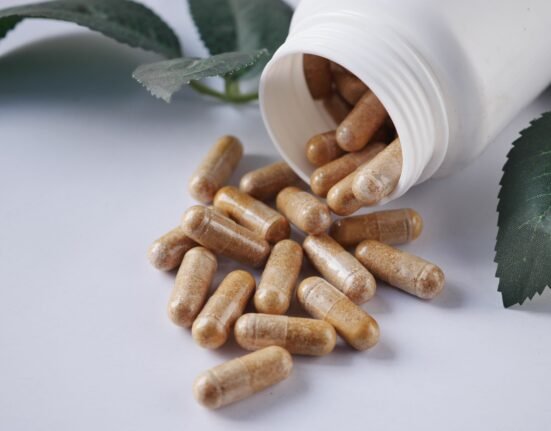
Medicinal Uses: Some mushrooms contain health benefits and are used in traditional and modern medicine.
Sustainable Gardening: Growing mushrooms is a sustainable practice that can help reduce waste and increase biodiversity in gardens.
By appreciating mushroom culture, you’ll find practical benefits for yourself and understand the importance of these fascinating organisms in our world.
Detailed Explanation of Mushroom Culture
What Are Mushrooms?
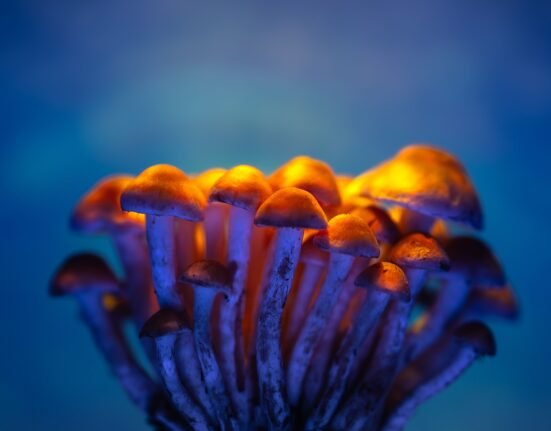
Mushrooms are the fruiting bodies of fungi. Unlike plants, they do not rely on sunlight for energy. Instead, they obtain nutrients from decomposing organic matter, which is why they are often found on decaying wood or in rich soil.
Types of Mushrooms
- Edible Mushrooms: These are safe to eat and include varieties like button, portobello, and shiitake.
- Medicinal Mushrooms: These are used for their health benefits, such as reishi and lion’s mane.
- Inedible Mushrooms: Some mushrooms are toxic, so it’s essential to know which ones are safe to consume.
How to Grow Mushrooms
Growing mushrooms at home can be a rewarding experience. Here’s a simple step-by-step process to get started:
Step 1: Choose Your Mushroom Type
Decide which type of mushroom you want to grow. If you’re a beginner, consider starting with oyster mushrooms or button mushrooms.
Step 2: Gather Your Materials
You will need:
- Mushroom spores or spawn (the mushroom seeds)
- A growing medium (like straw, sawdust, or coffee grounds)
- A container (like a plastic bag, bucket, or a special mushroom growing kit)
Step 3: Prepare the Growing Medium
- Pasteurize: Heat the growing medium to kill any unwanted organisms. This can be done by steaming or boiling it.
- Cool: Let the medium cool down to room temperature.
Step 4: Inoculate with Spores
- Mix the mushroom spawn into the prepared growing medium.
- Place it into your container.
Step 5: Incubate
- Store the container in a dark, warm place (around 70°F or 21°C).
- Keep the medium slightly moist but not wet.
Step 6: Fruiting
- Once you see white threads (mycelium) covering the medium, move the container to a cooler, brighter place (indirect light).
- Mist the growing area to keep humidity levels high.
Step 7: Harvesting
- After a few weeks, mushrooms will start to appear. Harvest them by twisting gently at the base.
Caring for Mushrooms
- Humidity: Maintain high humidity levels around 80-90%.
- Temperature: Keep the environment consistent.
- Cleanliness: Avoid contaminants by using clean tools and containers.
Expert-Based Information
As you explore the world of mushroom culture, consider learning from trusted sources. Organizations such as the North American Mycological Association (NAMA) and books like “Mycelium Running” by Paul Stamets provide valuable insights into mushroom cultivation and ecology. They offer expert advice and safety tips, ensuring you start off on the right foot.
Common Questions, Mistakes, or Myths
Frequently Asked Questions
Can you eat wild mushrooms?: Only if you’re sure they are safe! Some wild mushrooms can be poisonous. Always consult a reliable guide or expert before consuming.
How long does it take for mushrooms to grow?: This varies but typically takes between 3 to 6 weeks, depending on the type and conditions.
Common Mistakes to Avoid
Ignoring cleanliness: Contamination can ruin your mushroom crop. Always work in clean conditions.
Overwatering: Too much water can cause problems. Keep the growing medium damp but not soaking wet.
Practical Tips & Actionable Advice
Checklist for Beginners
- [ ] Choose the type of mushroom you want to grow.
- [ ] Gather all necessary materials.
- [ ] Prepare your growing medium correctly.
- [ ] Monitor humidity and temperature levels regularly.
- [ ] Always learn from reputable guides.
Best Practices
- Start Small: If you’re new, begin with a small batch before scaling up.
- Explore More Varieties: After your first success, explore different types of mushrooms to grow.
- Join a Community: Connect with fellow mushroom cultivators for tips and support.
Do’s and Don’ts
- Do keep a journal of your growing process to track what works.
- Don’t rush the incubation period; patience is key.
- Do enjoy the process—growing mushrooms can be a fun and fulfilling hobby!
- Don’t eat any wild mushrooms unless you’re absolutely sure they are safe.
Conclusion
Exploring the fascinating world of mushroom culture opens up a realm of possibilities. Not only can you grow your own food, but you’ll also be contributing to the environment and broadening your understanding of the natural world. Remember to start small, stay informed, and always enjoy the journey.
So, why not give mushroom cultivation a try? Dive in, learn, and enjoy all the wonderful benefits that come with it. Happy mushroom growing!