

Unlocking the Future: How Psychedelic Biotech is Revolutionizing Mental Health Treatment
June 28, 2026 | by VineAndLeafLink.com
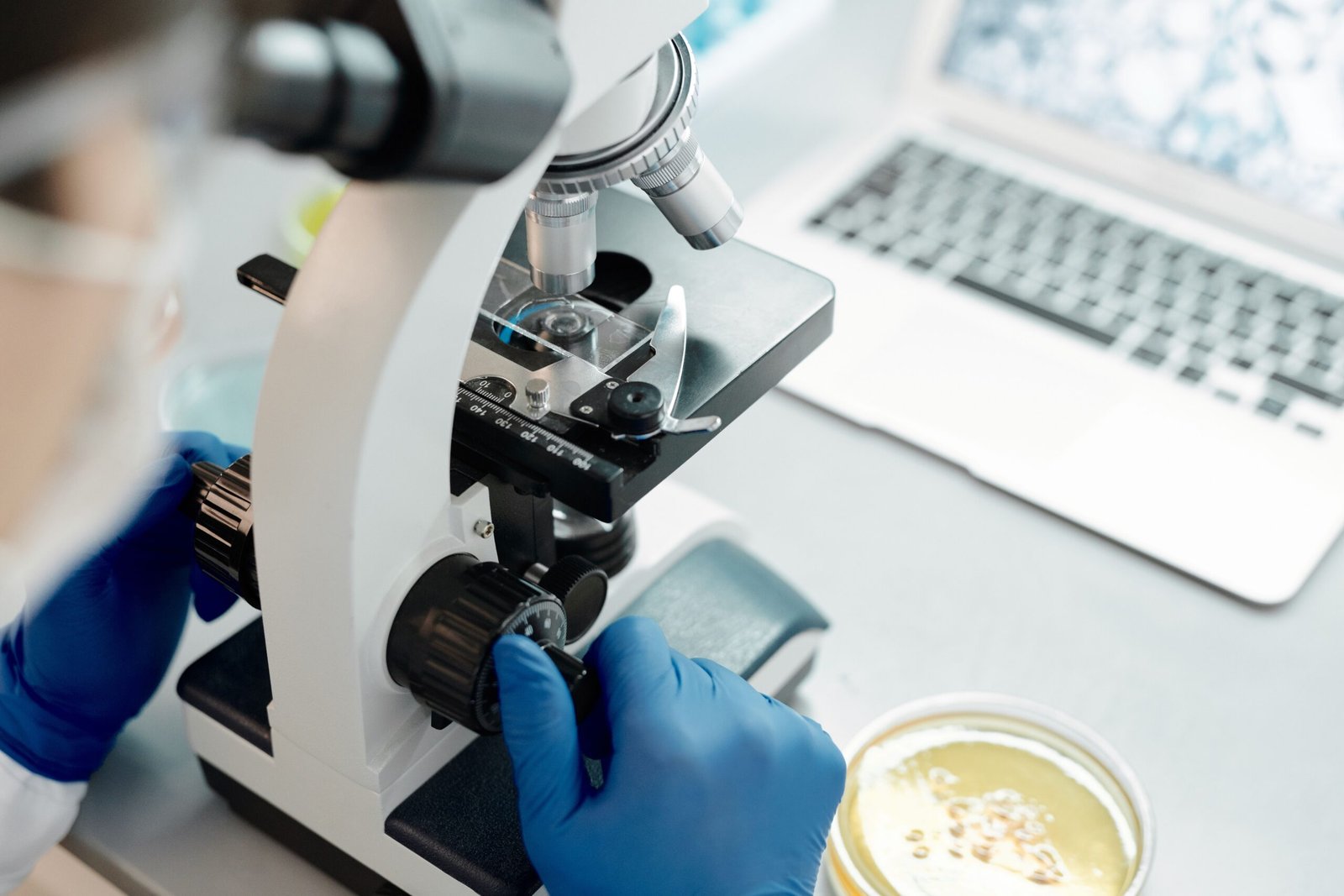
Unlocking the Future: How Psychedelic Biotech is Revolutionizing Mental Health Treatment
Introduction
Have you ever wondered about the future of mental health treatment? With many people struggling with anxiety, depression, and other issues, it’s essential to find new and effective solutions. One area that has captured attention recently is psychedelic biotech. This means using certain substances, often found in nature, to help treat mental health conditions. In this article, we’ll explore how psychedelic biotech is changing the way we approach mental health treatment in simple terms, making it relevant and useful for everyone.
Why This Matters
Understanding the developments in psychedelic biotech is important for several reasons:
- Growing Mental Health Crisis: Many individuals face mental health issues today, and traditional treatments don’t always work for everyone.
- Innovative Solutions: Psychedelic therapy offers promising new ways to tackle anxiety, depression, and PTSD, often providing relief where other methods fail.
- Accessibility and Research: Increased research into these treatments means more potential for breakthroughs in mental health care.
In a world where mental health is increasingly recognized as a priority, staying informed about innovative treatments is essential for individuals, families, and healthcare providers.
Detailed Explanation of Psychedelic Biotech
What Are Psychedelics?
Psychedelics are substances that can alter perception, mood, and various cognitive processes. Some well-known psychedelics include:
- Psilocybin: Found in certain mushrooms.
- LSD (Lysergic acid diethylamide): A synthetic compound.
- DMT (Dimethyltryptamine): Often found in plants and used in traditional medicine.
These substances have been used for centuries in various cultures, but recent scientific research is confirming their potential benefits for mental health.
How Psychedelics Work in Treatment
Psychedelics impact the brain’s connection and functioning. Here’s how they may help:
- Neuroplasticity: Psychedelics encourage the brain to form new connections, which can contribute to new thinking patterns and healing.
- Emotional Release: Many users report feeling intense emotions, which can lead to catharsis or emotional release, helping them confront past traumas.
- Altered Perception: These substances can provide a fresh perspective on personal difficulties, encouraging patients to view their problems differently.
Growing Interest in Psychedelic Research
In recent years, numerous studies have focused on the effectiveness of psychedelics in treating various mental health conditions. Some notable examples include:
- Depression: Research has shown that psilocybin can reduce symptoms of depression in some patients, even after just one or two doses.
- PTSD (Post-Traumatic Stress Disorder): Studies have indicated that MDMA, often associated with party culture, can significantly aid in the treatment of PTSD.
- Anxiety: Some trials with psychedelics have demonstrated positive effects in reducing anxiety, especially in patients facing terminal illnesses.
Expert-Based or Trust-Focused Information
Prominent research institutions, including Johns Hopkins University and the Multidisciplinary Association for Psychedelic Studies (MAPS), are leading efforts to study the effects of psychedelics in therapy. Their studies have been published in reputable scientific journals like JAMA Psychiatry and The New England Journal of Medicine, providing validated insights on this fascinating field.
It’s important to remember that while research is promising, these treatments are still being studied. They’re not widely available yet, and ongoing studies help ensure these methods are safe and effective.
Common Questions, Mistakes, and Myths
FAQs about Psychedelic Biotech
Are psychedelics safe?
- Psychedelics can have risks, especially if taken without guidance. Under medical supervision, they can be safe. However, they are not suitable for everyone.
Do I need to try psychedelics myself to understand their benefits?
- Not at all! While firsthand experience can provide insight, many people learn about them through research and talk therapy.
Can psychedelics replace traditional medication?
- They may complement traditional therapies, but they are not yet a complete replacement. Always discuss treatment options with a healthcare professional.
Common Misunderstandings
- Psychedelics are just recreational drugs: While some people use them for fun, research shows they can also be powerful therapeutic tools.
- They are addictive: Most psychedelics are not considered addictive. Unlike drugs like opioids or alcohol, they don’t typically lead to compulsive use.
Practical Tips & Actionable Advice
If you’re interested in exploring psychedelic therapy, here are some practical steps to consider:
Checklist for Exploring Psychedelic Biotech
- Research: Look into credible studies and literature on psychedelics.
- Consult a Professional: If you’re considering participating in clinical trials or therapies, talk to a qualified healthcare professional.
- Stay Informed: Keep up with new studies and findings in this evolving field.
Best Practices
- Prioritize Safety: Focus on approved therapies and treatments under medical supervision.
- Be Open-Minded: Understand that healing comes in various forms, and what works for one person may not work for another.
- Avoid Misinformation: Stick to reputable sources to avoid misleading claims about psychedelics.
Conclusion
Psychedelic biotech is opening doors to exciting new possibilities in mental health treatment. While the research is still developing, these innovative therapies could provide hope for many who haven’t found relief with traditional methods. Being informed and open to new ideas is crucial as the mental health field continues to evolve.
If you or someone you know is struggling with mental health issues, consider speaking with a health professional about exploring these emerging therapies. Remember, every step towards understanding mental health is a step towards healing. We encourage you to stay curious, informed, and supportive of those on their mental health journeys.
RELATED POSTS
View all

Ayahuasca Business: Exploring the Growth and Impact of This Ancient Medicine
June 27, 2026 | by VineAndLeafLink.com

Kambo Practitioners: Unlocking the Healing Benefits of this Ancient Medicine
June 28, 2026 | by VineAndLeafLink.com
Exploring Ibogaine Clinics: Your Guide to Treatment and Recovery Options
June 27, 2026 | by VineAndLeafLink.com