Ayahuasca Business: Exploring the Growth and Impact of This Ancient Medicine
June 27, 2026 | by VineAndLeafLink.com
Ayahuasca Business: Exploring the Growth and Impact of This Ancient Medicine
Introduction
Have you ever been curious about ancient traditions that promise healing and transformation? One such tradition is Ayahuasca, a powerful plant medicine used for centuries in the Amazon rainforest. Recently, more people around the world are paying attention to Ayahuasca, leading to what some call the “Ayahuasca business.” This term refers to the growing interest and commercialization of Ayahuasca experiences, retreats, and services. But what does this growth mean, and why should it matter to you? This article will guide you through the fascinating world of Ayahuasca, its significance, and how it impacts many people today.
Why This Matters
Understanding the Ayahuasca business is also understanding the larger conversation about health, wellness, and spirituality in our modern world. Here’s why this topic is relevant:
- Cultural Significance: Ayahuasca is not just a product; it holds deep meaning and history for indigenous cultures in South America. Learning about it helps honor and respect these traditions.
- Mental Health: Many people today seek alternative methods for healing and personal growth. Ayahuasca has been reported to help with anxiety, depression, and trauma, making it a significant topic for those interested in mental well-being.
- Economic Impact: The rise in Ayahuasca tourism can benefit local economies but can also overshadow indigenous practices and values. This has sparked important discussions around ethics and sustainability.
The Basics of Ayahuasca
What is Ayahuasca?
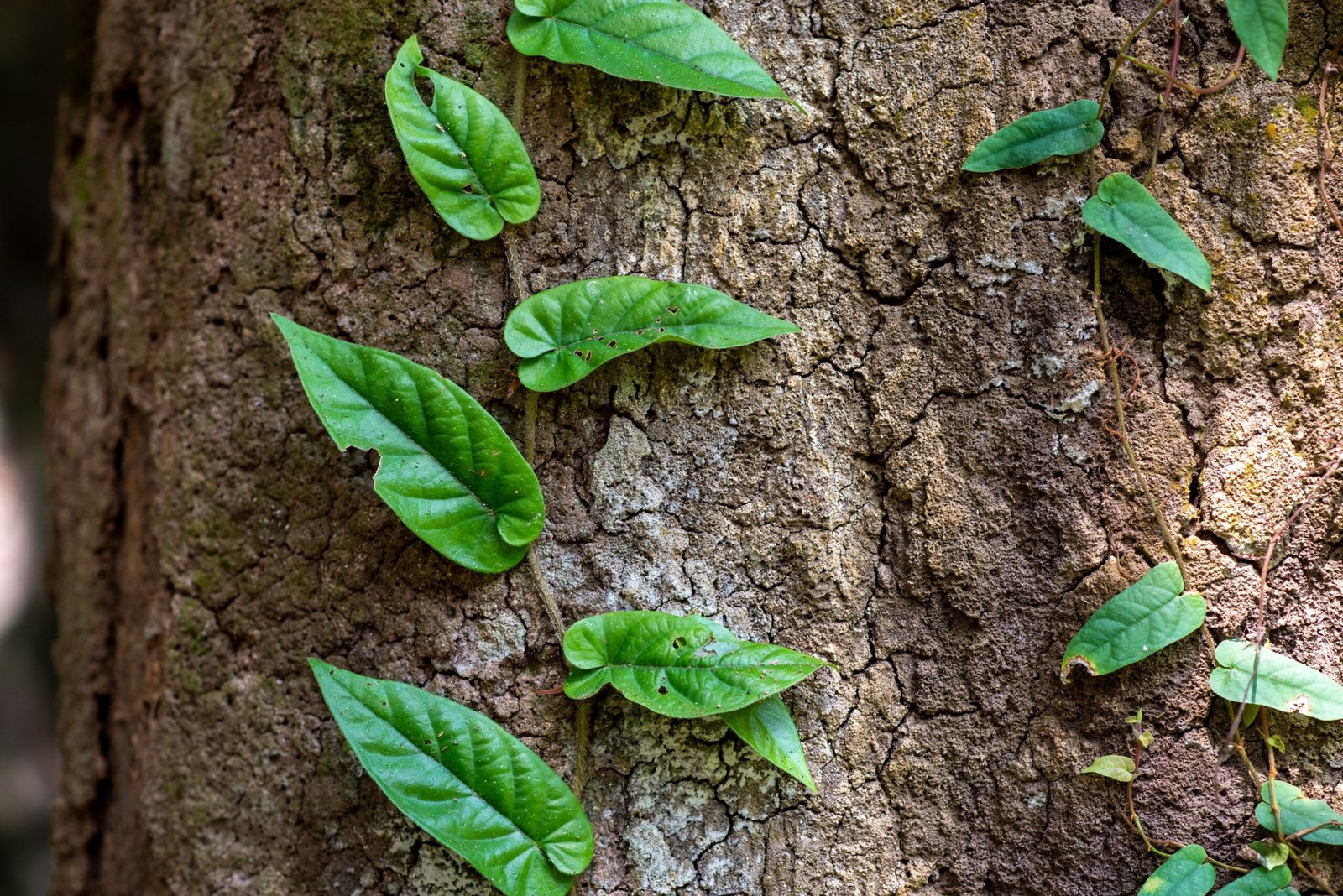
- Ayahuasca is a brew made from two plants found in the Amazon: the Banisteriopsis caapi vine and the leaves of the Psychotria viridis bush.
- It is traditionally consumed in ritual settings under the guidance of a shaman or healer.
- The brew contains DMT (dimethyltryptamine), a powerful psychedelic, which is believed to open the mind to new insights and perceptions.
The Growth of Ayahuasca Business
Retreat Centers: In places like Peru and Brazil, retreat centers have popped up that offer Ayahuasca experiences, often attracting international visitors. These centers may range from luxurious to more rustic.
Integration Services: After an Ayahuasca experience, many people want to process and integrate their insights into daily life. Some businesses offer coaching or workshops designed to help with this.
Products & Supplements: The popularity of Ayahuasca has led to the development of various commercial products, like teas and dietary supplements claiming similar effects.
Common Misunderstandings
Common Questions and Myths
Is Ayahuasca just a drug?
- Clarification: Ayahuasca is often misunderstood as merely a recreational drug. In fact, it is a sacramental substance with a rich history of use for healing, self-discovery, and spiritual connection.
Do you have to be sick to take Ayahuasca?
- Clarification: While many seek Ayahuasca for specific ailments, others are drawn to it for personal growth and spiritual insights.
Is Ayahuasca legal worldwide?
- Clarification: The legal status of Ayahuasca varies by country. In some places, it is legal when used in a ceremonial context; in others, it may be banned.
Practical Tips & Actionable Advice
If you’re considering exploring the Ayahuasca experience, here’s how to navigate this complex landscape responsibly:
Do’s
- Do Your Research: Learn about Ayahuasca, its effects, and the standards of retreat centers. Familiarize yourself with community experiences and testimonials.
- Choose Ethical Centers: Look for places that prioritize safety, respect indigenous practices, and have qualified facilitators.
- Prepare Mentally and Physically: Some recommend diet and lifestyle changes before participating in an Ayahuasca ceremony for better experiences.
Don’ts
- Don’t Rush In: Take your time to understand and feel ready for an Ayahuasca experience; it is not a decision to be made lightly.
- Don’t Ignore Safety Concerns: Always consult with healthcare professionals if you have pre-existing medical conditions or are taking medications.
- Avoid Commercialized Exploitation: Be cautious of centers focused solely on profit rather than the meaningful aspects of the tradition.
Conclusion
In summary, the growth of the “Ayahuasca business” reflects a wider interest in ancient wisdom and alternative forms of therapy. While this can lead to positive experiences for many, it also comes with ethical responsibilities and challenges.
Consider exploring Ayahuasca further if it resonates with you, but remember to approach it mindfully and respectfully. By engaging with this fascinating practice, you can participate in a larger dialogue about healing and connection to cultural traditions. Whether you seek personal growth or simply wish to understand more about this ancient medicine, the story of Ayahuasca is one worth knowing.
As you continue your journey, remain open-hearted and curious. You never know what valuable insights may await you!
RELATED POSTS
View all

Mushroom Cultivation Business: A Growing Opportunity for Entrepreneurs
June 28, 2026 | by VineAndLeafLink.com

Psychedelic Companies Revolutionizing Mental Health Treatment
June 28, 2026 | by VineAndLeafLink.com