Latest Peyote News: Insights and Developments in the Psychedelic Community
Introduction
Have you ever wondered about the cactus known as peyote? This small, button-like plant has a rich history and has recently become a point of interest in discussions about psychedelics. In this article, we’ll delve into the latest news and developments surrounding peyote and explore its significance in today’s world. You might be curious about how this relates to mental health, spirituality, or even cultural heritage. Understanding these updates can equip you with knowledge about a fascinating part of our natural world and its impact on people’s lives.
Why This Matters
So, why should you care about the latest peyote news? Here are a few key reasons:
Cultural Importance: Peyote has been used for centuries, particularly by Indigenous peoples in ceremonies and rituals. Learning about it helps us appreciate these traditions.
Therapeutic Potential: Recent studies suggest that psychedelics, including peyote, can aid in treating conditions like depression and anxiety. This could open up new pathways for mental health treatment.
Legal Developments: With changing laws surrounding psychedelics, staying informed can empower you to make educated decisions or participate in important discussions.
Understanding these developments isn’t just for researchers or enthusiasts; it fosters an awareness of how peyote and similar substances intersect with social, medical, and cultural issues.
Detailed Explanation of Peyote and Its Place in the Psychedelic Community
What is Peyote?
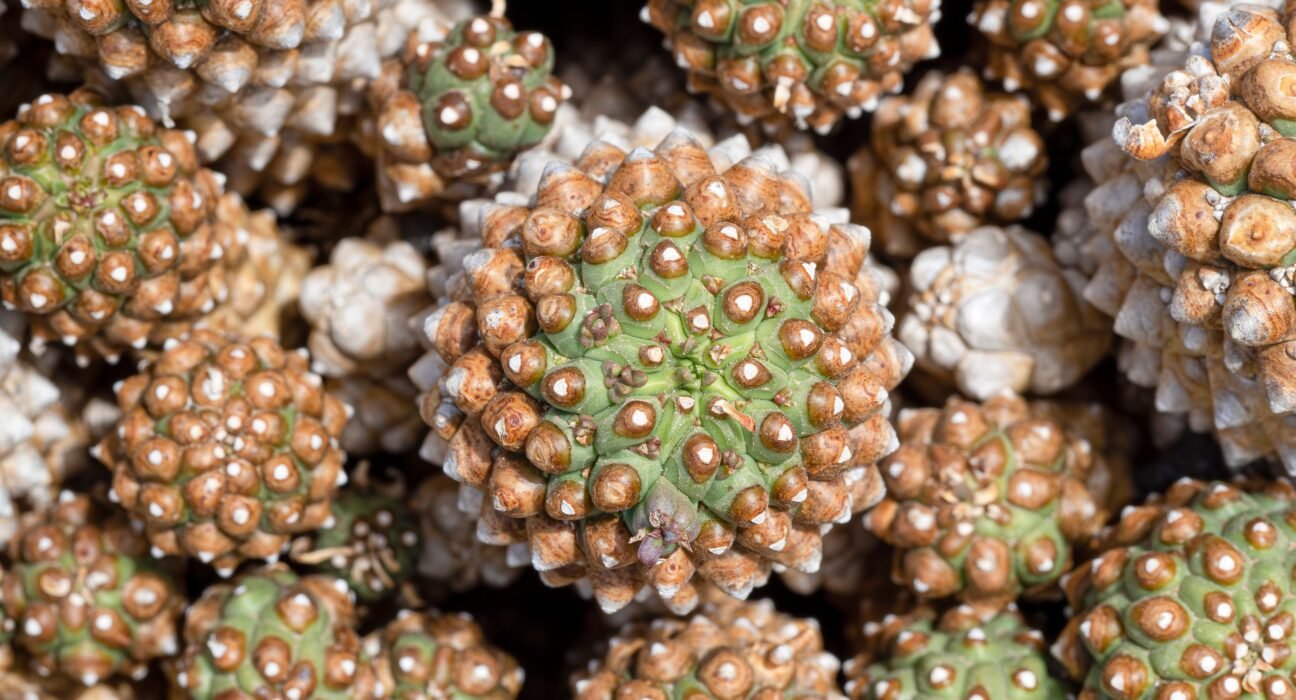
Peyote is a small cactus that contains psychoactive compounds, notably mescaline. This substance can alter perception, mood, and thought patterns. The cactus is primarily found in Mexico and the southern United States.
Cultural Significance
Indigenous Use: Various Native American tribes have used peyote for spiritual healing and as a sacrament in religious ceremonies for generations.
Psychedelic Movement: In the 20th century, peyote became part of the broader psychedelic movement, which seeks to explore consciousness and personal transformation.
Recent News and Developments
Research Advancements
Mental Health Studies: Recent clinical studies have shown promising results for mescaline in treating anxiety, PTSD, and depression. Researchers are focused on:
- Understanding how these experiences can lead to profound changes in perspective.
- Exploring the “set and setting” — the mindset of participants and the environment in which the drug is taken.
Legal Changes: Some areas are reconsidering the legal status of peyote for therapeutic use. This could mean:
- More access to mental health treatments involving psychedelics.
- Greater acknowledgment of Indigenous rights to use peyote in spiritual practices.
Expert Insights
Many scientists and organizations are studying the effects of peyote and mescaline. For instance, the Multidisciplinary Association for Psychedelic Studies (MAPS) has been at the forefront of this research. Understanding these trusted sources can help you navigate the complexities surrounding peyote and its uses.
Common Questions, Mistakes, and Myths
FAQs About Peyote
Is Peyote Legal?
- The legality of peyote varies by location. While it is illegal in many places, there are exceptions for Indigenous peoples in the U.S.
Can Anyone Use Peyote?
- Generally, peyote is not recommended for casual or recreational use due to its powerful effects and potential psychological risks.
Is Peyote Dangerous?
- Like all psychedelics, there are risks involved, especially for individuals with a history of mental illness. It is vital to approach peyote with caution and respect.
Common Misunderstandings
Myth: Peyote is just a recreational drug.
- Fact: Many use it for spiritual and healing purposes, particularly in Indigenous cultures.
Myth: All psychedelics are harmful.
- Fact: While they can have risks, ongoing research suggests that with proper use, some psychedelics can be therapeutic.
Practical Tips for Exploring Peyote and Psychedelics
If you’re interested in learning more about peyote or psychedelics, consider these practical tips:
Checklist for Responsible Exploration
Do Your Research: Always read from reliable sources and try to understand both sides of the discussion surrounding psychedelics.
Consider Your Mindset: Make sure you are in a positive and safe environment if engaging in psychedelics.
Follow Legal Guidelines: Be aware of the laws governing peyote in your area before taking any actions.
Best Practices
Seek Professional Guidance: If you’re considering using peyote for therapeutic reasons, consult with a healthcare provider familiar with psychedelics.
Participate in Educational Programs: Attend workshops or programs that focus on the cultural and therapeutic aspects of peyote.
Conclusion
As we’ve explored, the latest news about peyote reveals a wealth of cultural significance, potential benefits for mental health, and shifting legal landscapes. Being informed allows you to engage thoughtfully with this topic and understand its relevance in today’s psychedelic community.
If this article sparked your interest, consider diving deeper into the research, connecting with community events, or seeking professional guidance if you’re considering exploring the therapeutic uses of psychedelics. Knowledge is a powerful tool, and being informed can help you appreciate this unique facet of our natural world.
Feel free to share this information, discuss it with your friends or family, and keep exploring!